Projects
Where we work
Two decades of documentation with speaker communities on five continents. Many of these projects continue as Living Dictionaries, built and maintained by the communities themselves. Pick a place on the map to jump to its projects.
India
Our longest-running work: the Munda languages of central and eastern India, and the languages of Arunachal Pradesh.
Munda heartland
Odisha and Jharkhand, India: our longest-running work

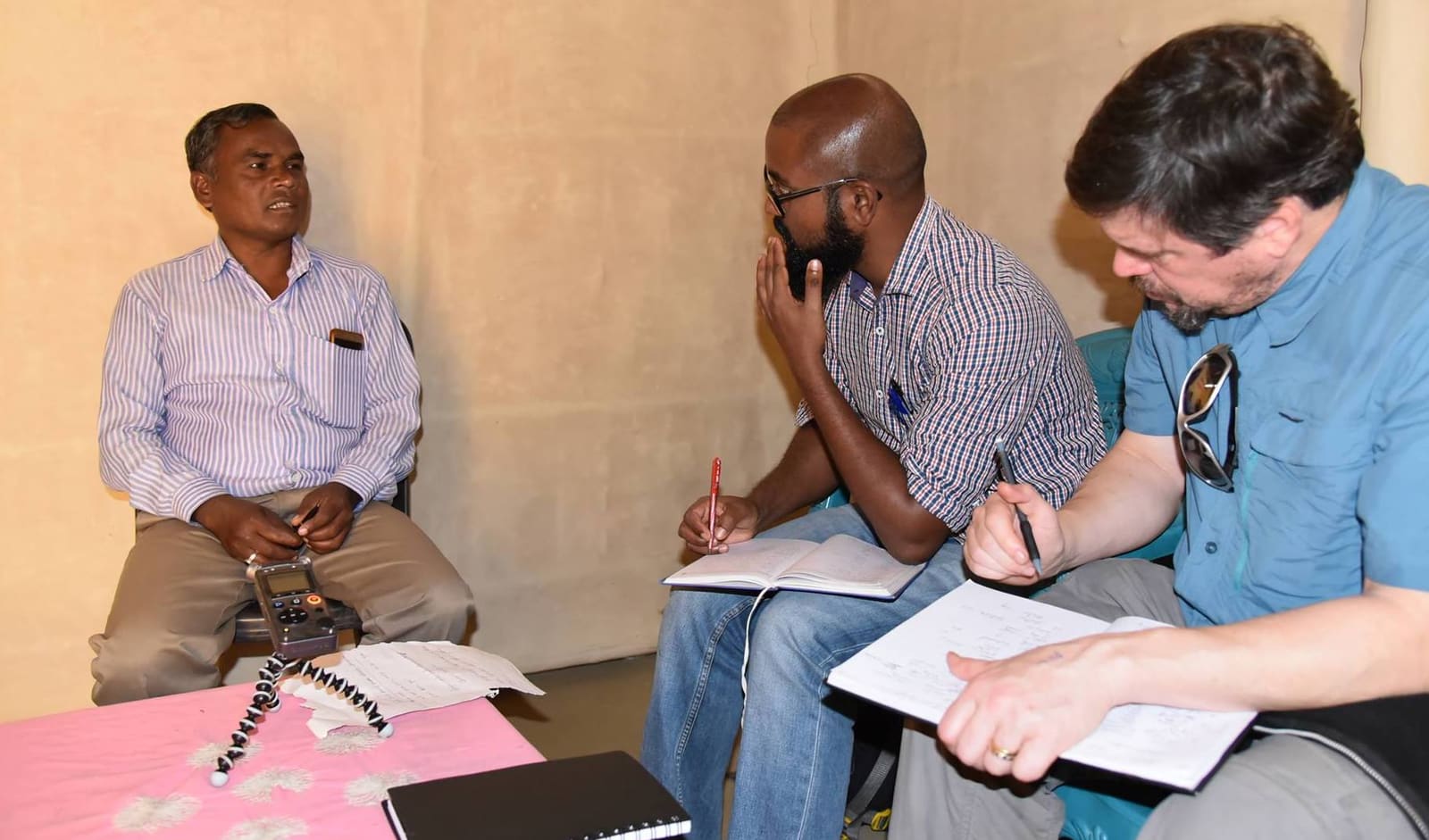 The Munda Languages Initiative The Munda language family is a subgroup of the Austroasiatic family. The Munda peoples are generally believed to represent indigenous tribal populations over much of their current areas of…
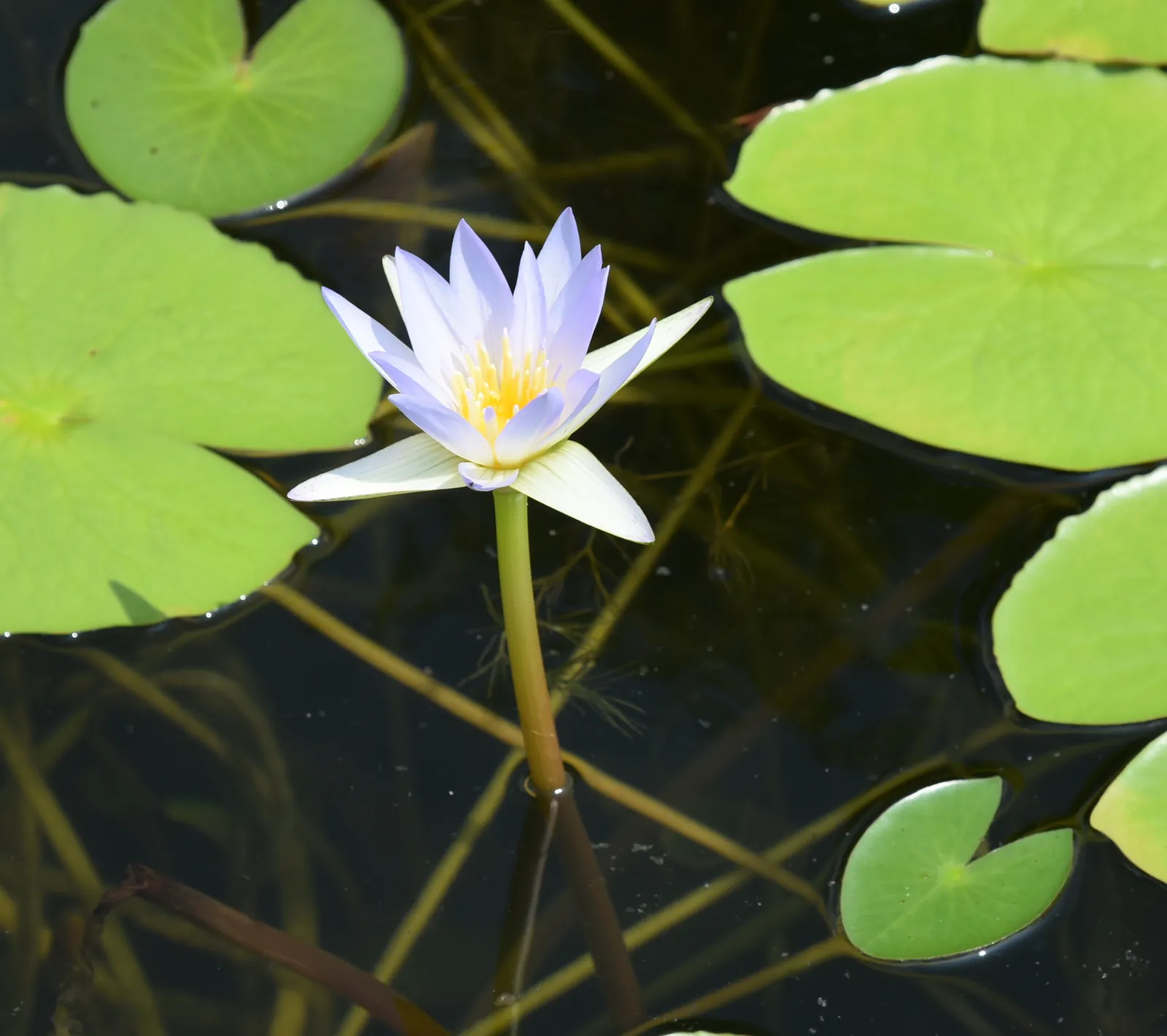 Sora Sora is a South Munda language spoken mainly in Ganjam and Gajapati districts of Orissa, as well as a few other districts of this Indian State, and in adjacent hilly tracts of neighboring Andhra Pradesh State. Though…
 Ho Another of the Kherwarian Munda languages, Ho is spoken in two rather distinct varieties in southern Jharkhand and Northern Orissa (Mayurbhanj district). Despite having close to a million and a half speakers, Ho is…
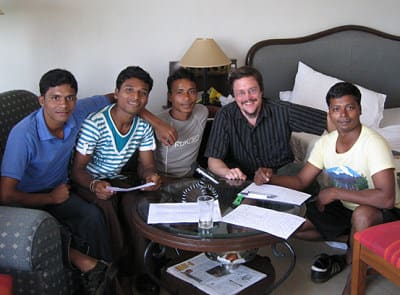 Remo Remo or remsam is the language of the Bonda people of Malkangiri district, Orissa. Although a highly celebrated tribal people for their unique cultural practices, Remo has remained a poorly investigated language. It is…
- Santali Santali is by far the largest of the Munda languages and the only one with recognition by the Indian government as an official language. This Kherwarian North Munda language is spoken mainly in the states of Jharkhand…
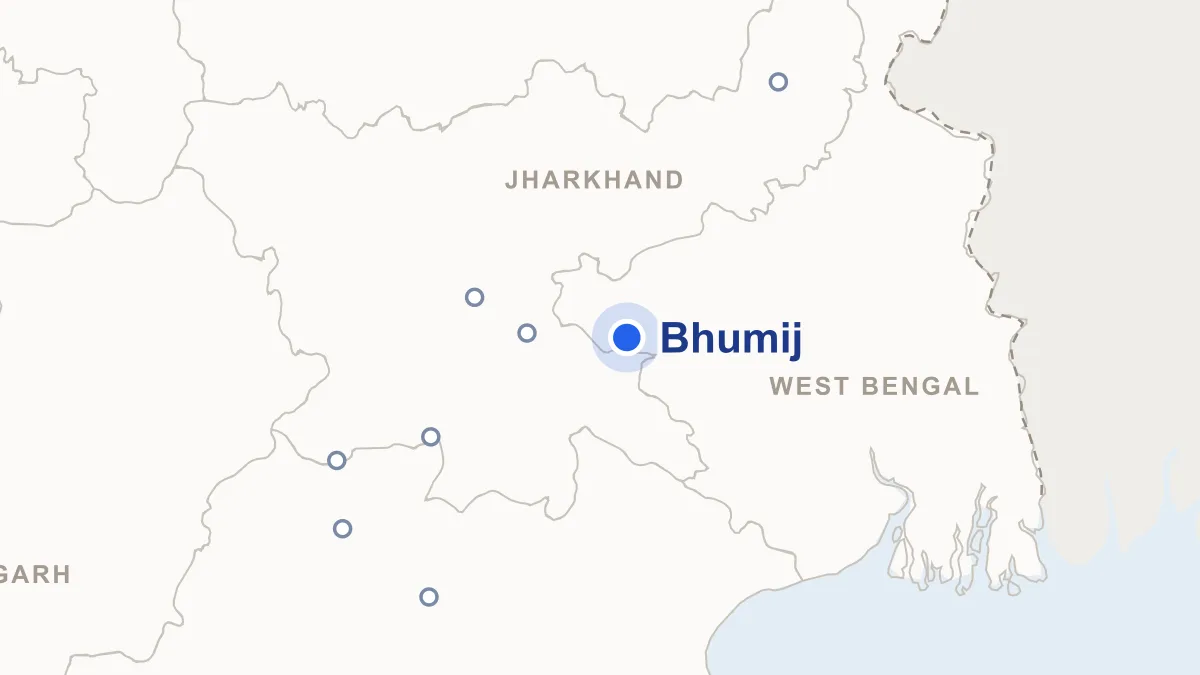 Bhumij Bhumij speakers still number perhaps over 100,000 but they are rapidly adopting Hinduism and abandoning their ancestral Kherwarian North Munda tongue in favor of a local Indo-Aryan variety. The Bhumij today are…
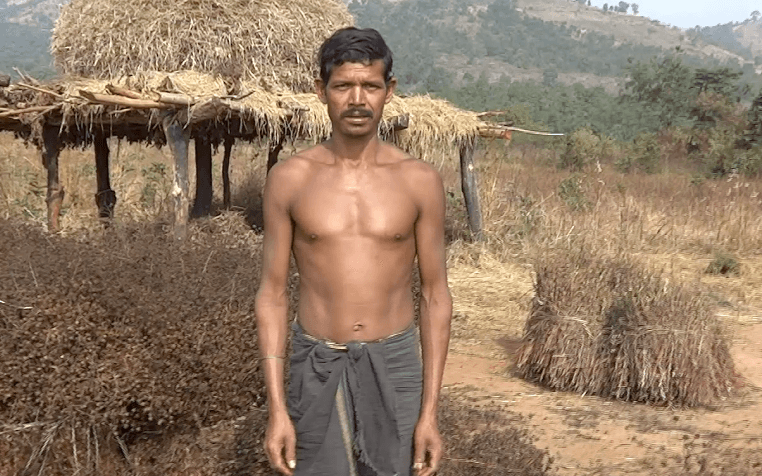 Gtaʔ (Didey) Gtaʔ also known as Didey remains one of the least known of the Munda languages. The Living Tongues Institute for Endangered Languages began working with speakers of Gtaʔ in 2010 as they occupy villages either together…
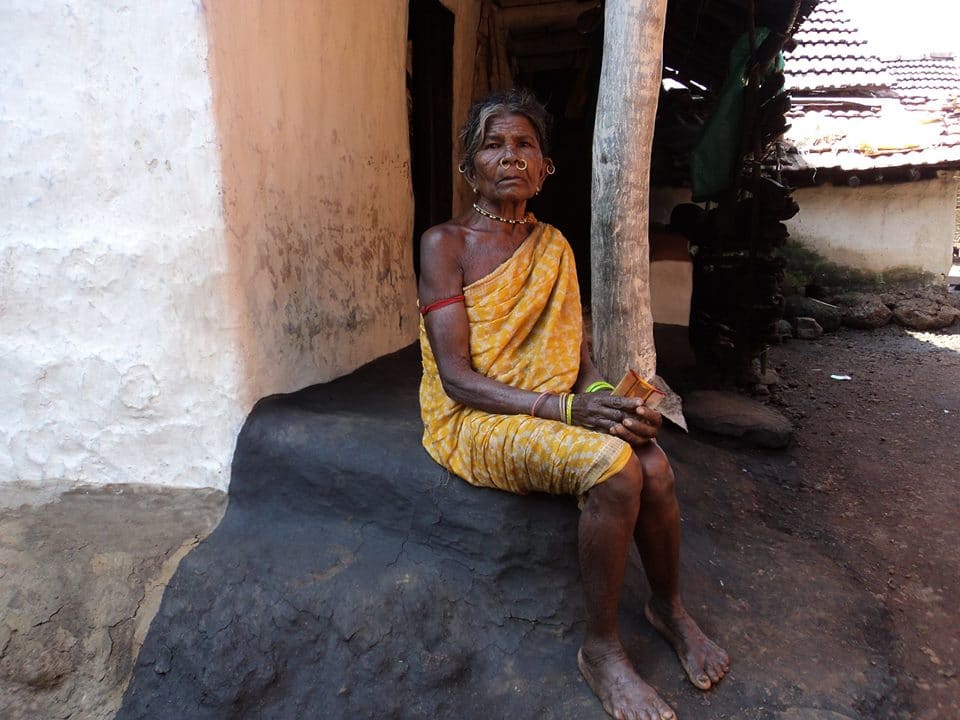 Gutob Gutob, also known as Gadaba or Bodo-Gadaba, is a highly endangered Munda language of Koraput District, Odisha, India, with roughly 5,000–8,000 speakers. Over 13,000 Gutob words are in the Gutob Living Dictionary.
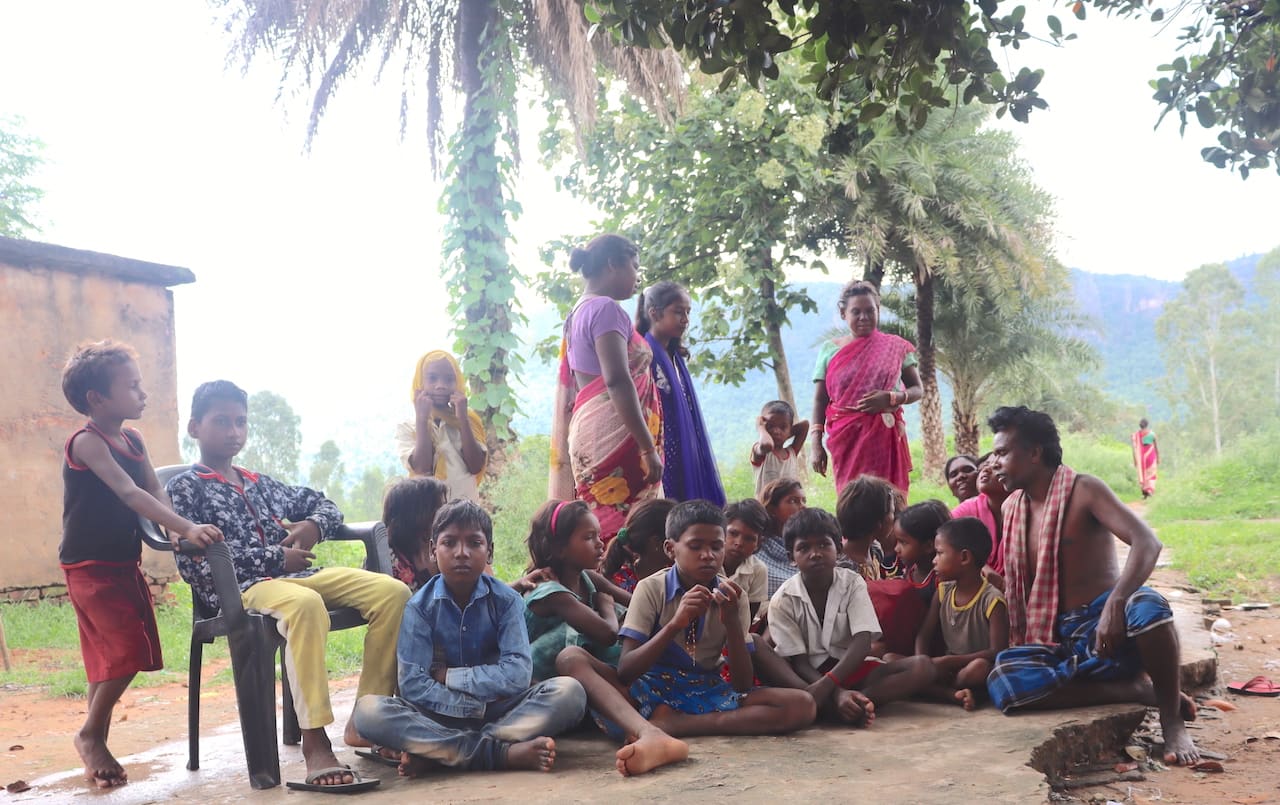 Birhor The Birhor are a Munda-speaking, forest-dependent, semi-nomadic tribal community of fewer than 20,000 people in Jharkhand and neighbouring states of India. Their words, recordings and photos are in the Birhor Living Dictionary.
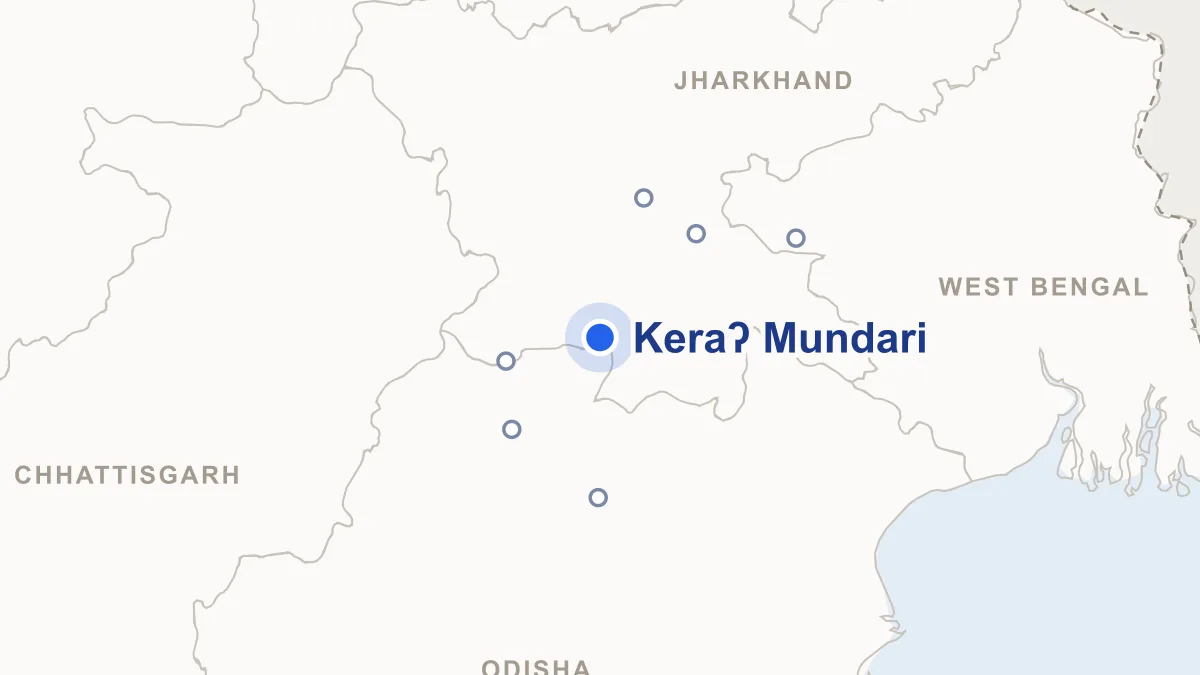 Keraʔ Mundari Keraʔ Mundari is a variety of Mundari spoken by the Oraons in and around Ranchi, the capital of Jharkhand, India. Its name is said to come from the past suffix -kera.
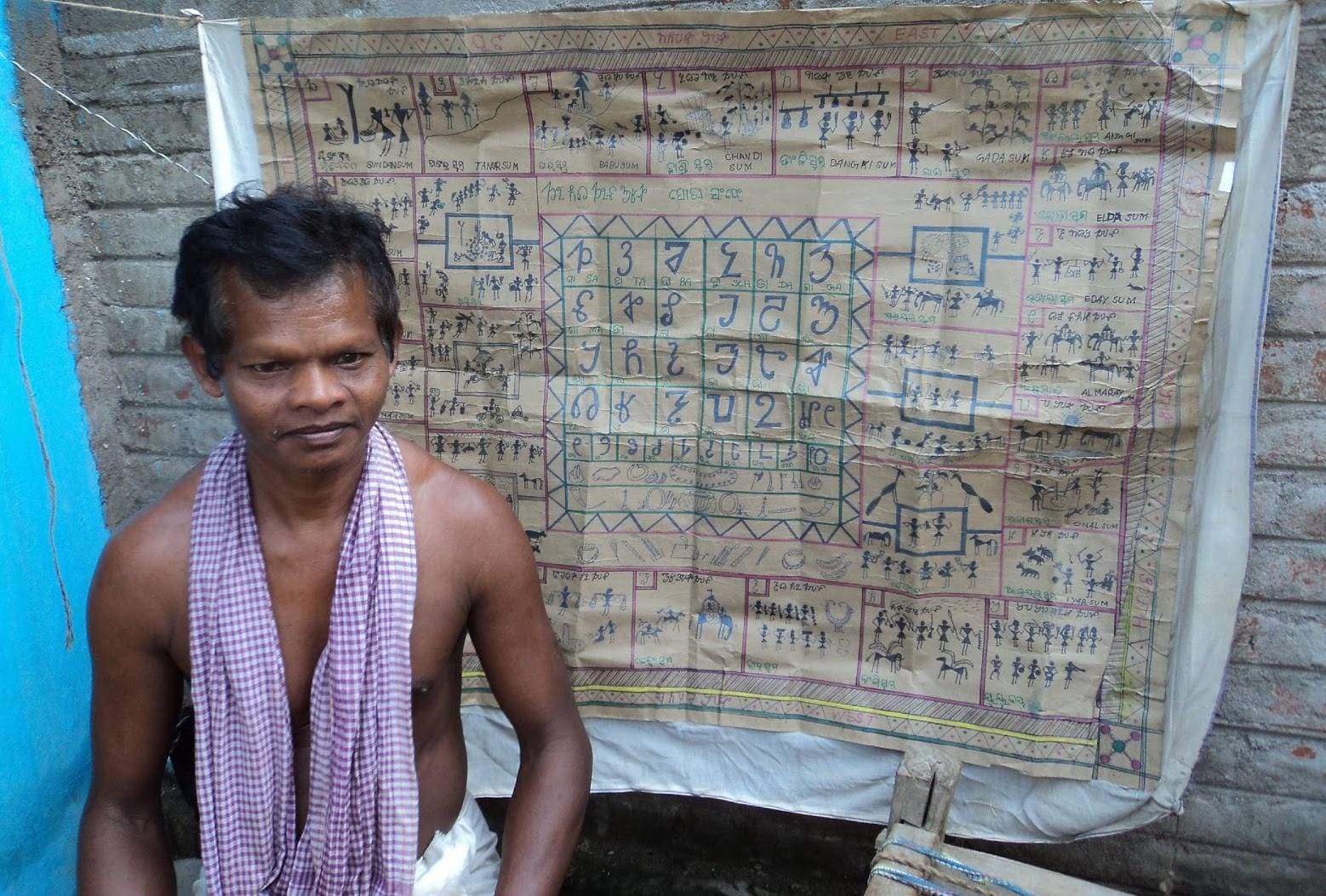 Documenting the Stories and Technology of the Sora People We are currently in the final stages of editing a series of short videos in which Sora speaker Arjun Sabar discusses the origin and significance of the Sora Sompeng writing system. Arjun Sabar discusses the Sora Sompeng…
Arunachal Pradesh
Koro Aka and the languages of the Kameng region, India
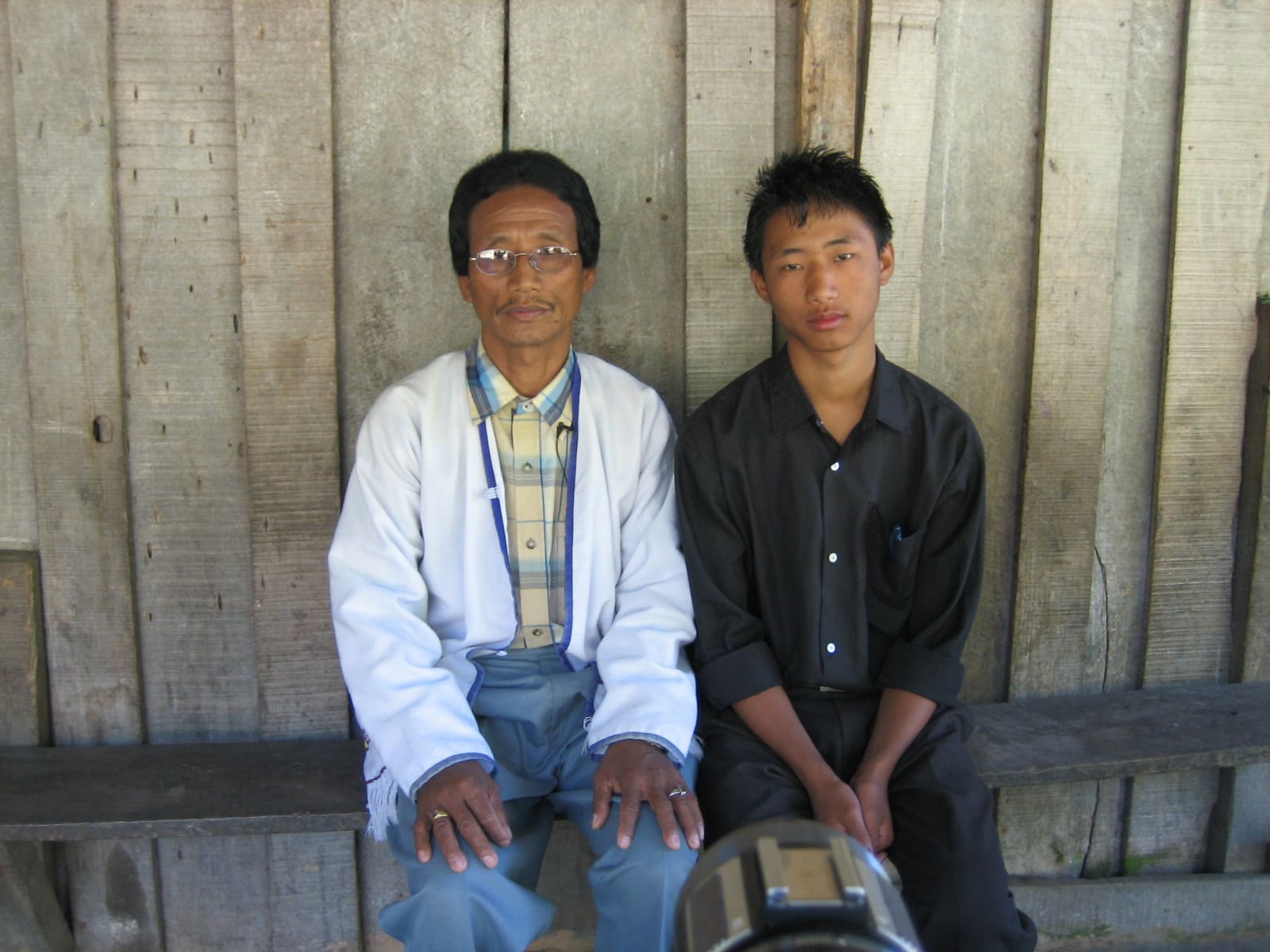 Koro Aka Koro Aka Language Documentation Project Koro Aka consultants Kachim and Gujupi, Kichang village Most people of the tribal group known as the Aka of West Kameng and East Kameng districts of Arunachal Pradesh speak a…
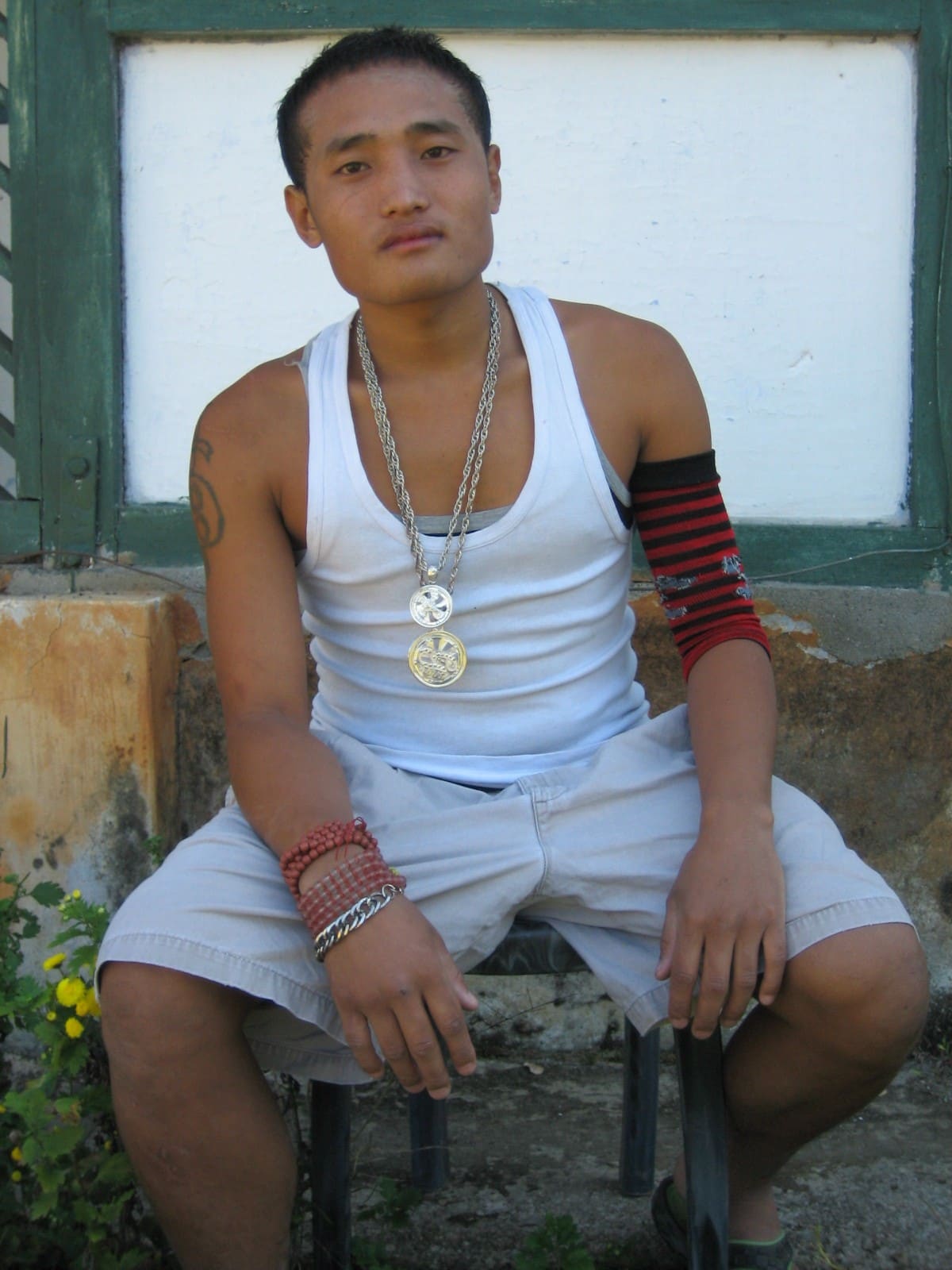 Kameng Region, Arunachal Pradesh Hruso (Aka) Language Hruso consultant Sange ‘Chopel’ Nimasow Photo by David Harrison/Chris Rainier Hruso , also known as Aka or Hruso Aka, is an unclassified language of the Tibeto-Burman phylum spoken primarily in West…
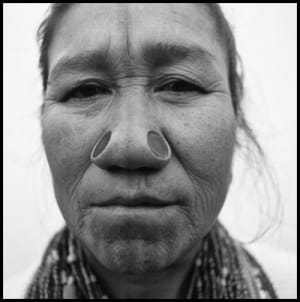 Central Arunachal Pradesh Arunachal Pradesh, the northeasternmost state of India, is a land of extremes. Extreme terrain in the form of a territory dominated at lower elevations by densely jungle-covered mountains where slash and burn…
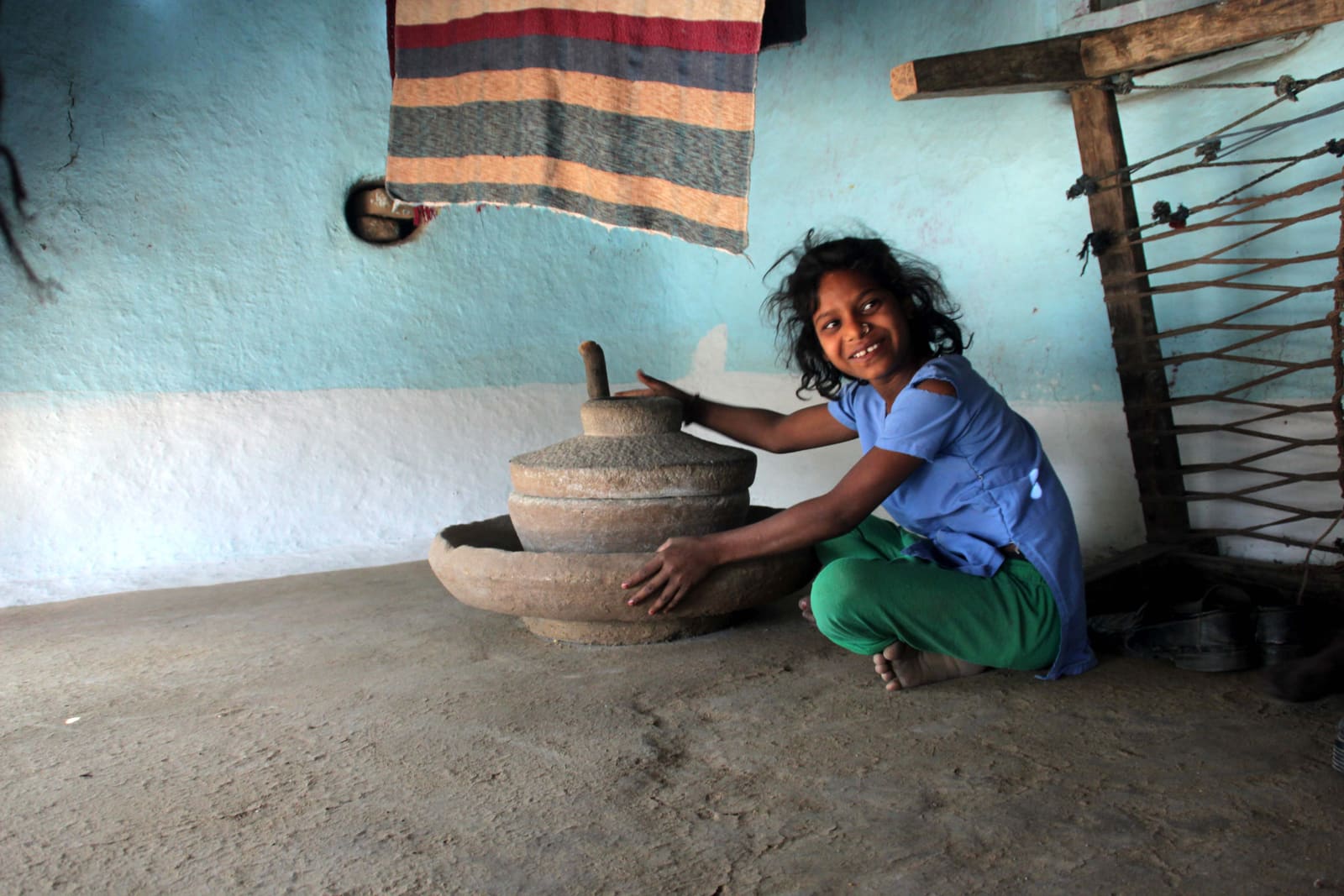
Africa

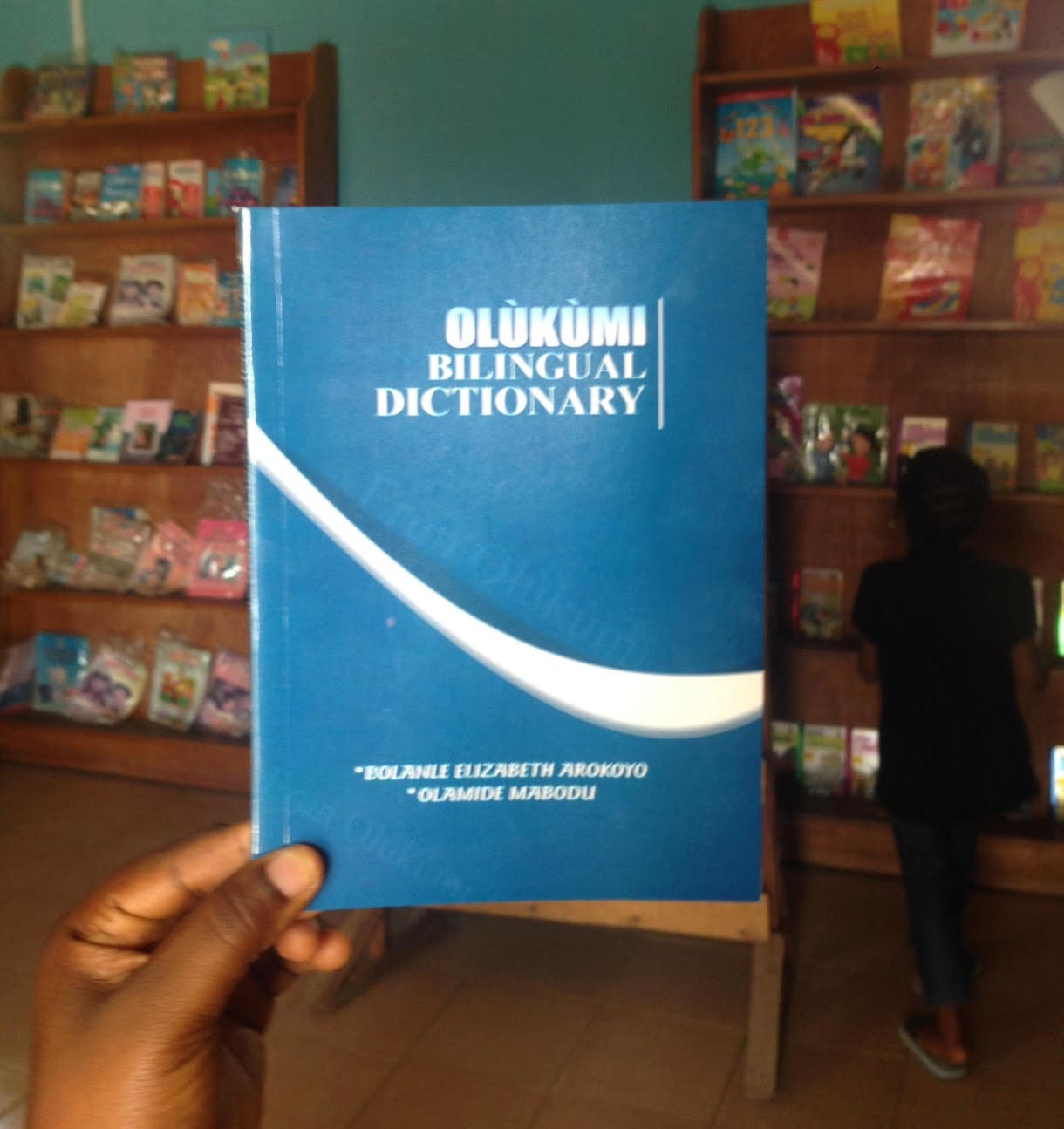 Nigeria LANGUAGE PROJECTS Eleme | Baan Language Documentation Projects Olùkùmi Living Dictionary NIGERIA FELLOWS Sophie Salffner, Nigeria Projects Coordinator, 2012 – present. Bolanle Elizabeth Arokoyo, Olukumi…
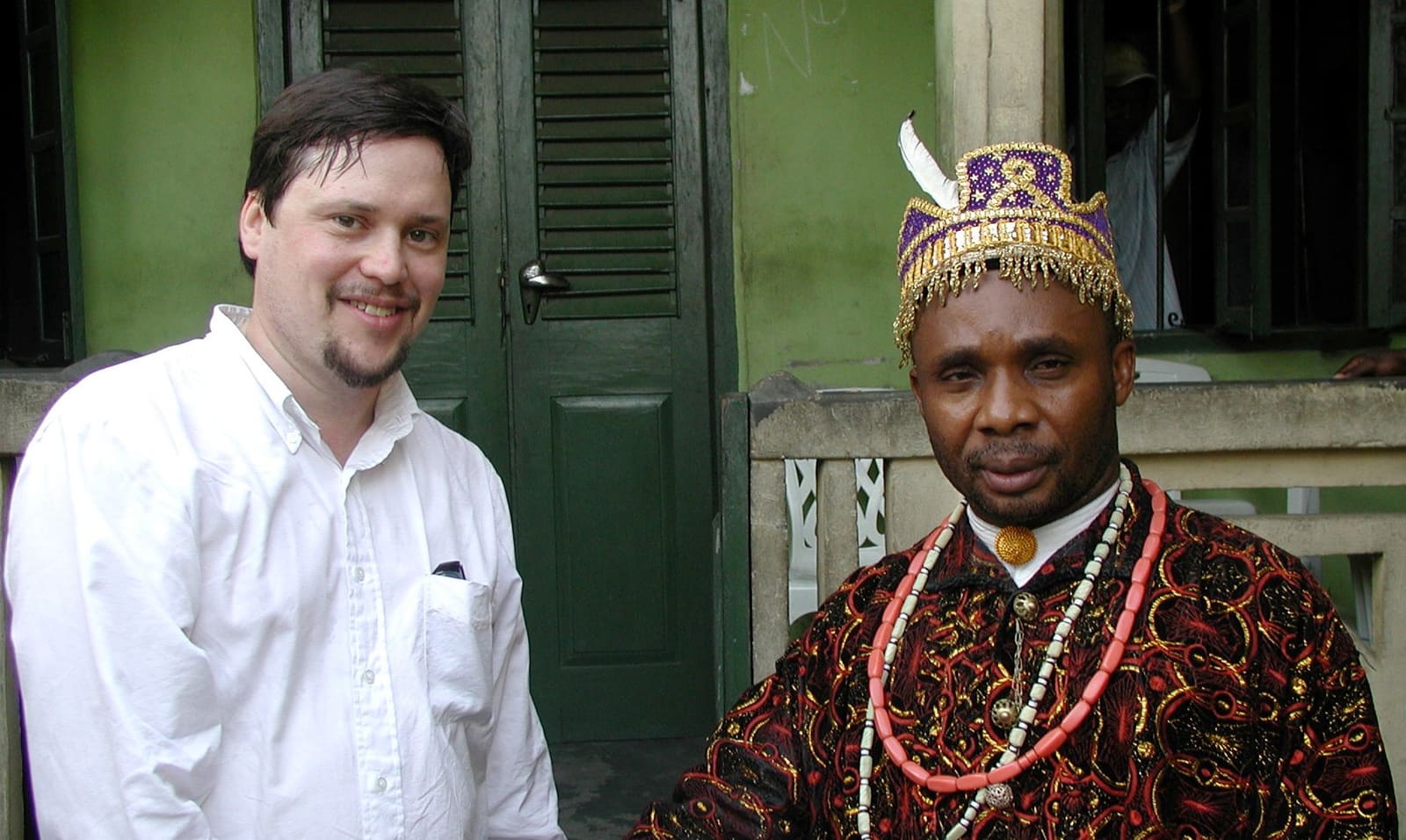 Eleme | Baan Eleme Language Documentation Project Eleme consultant Mme. Ekaka The Eleme-Baan Languages Project is directed by Dr. Greg Anderson and Dr. Oliver Bond, currently of SOAS, London. It was funded in 2003 by a grant from…
Ki-Afrika
More than 30 language varieties in 12 African countries
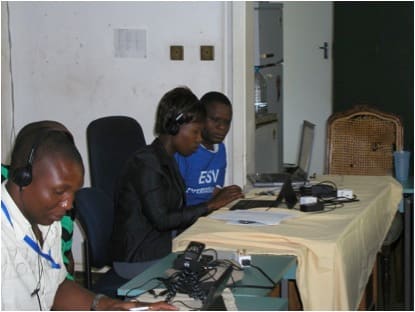
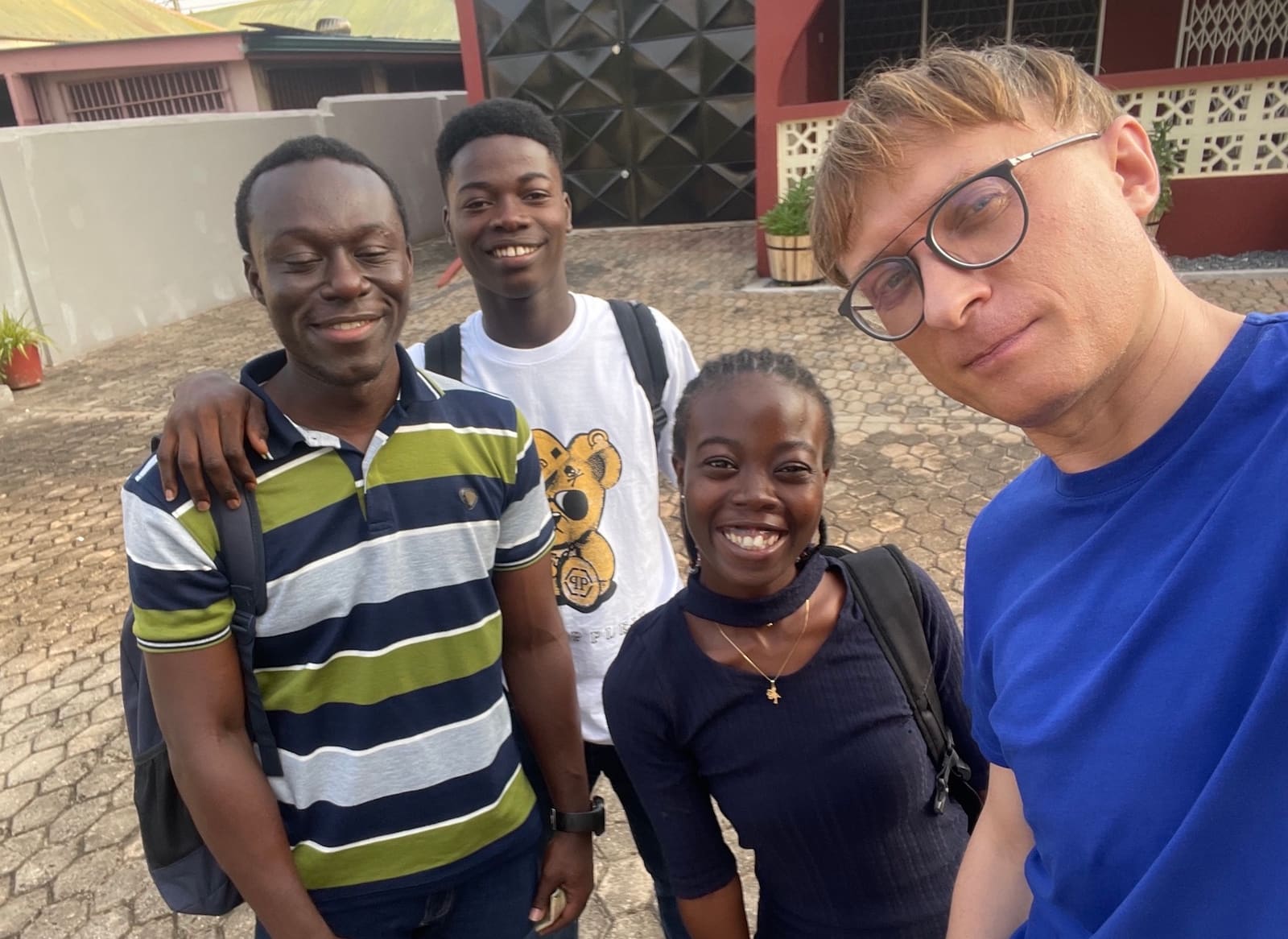 Ki-Afrika The Ki-Afrika project aims to document and describe the linguistic diversity of Africa. Two aspects of linguistic diversity are centered: languages that are under-researched, and language phenomena that have…
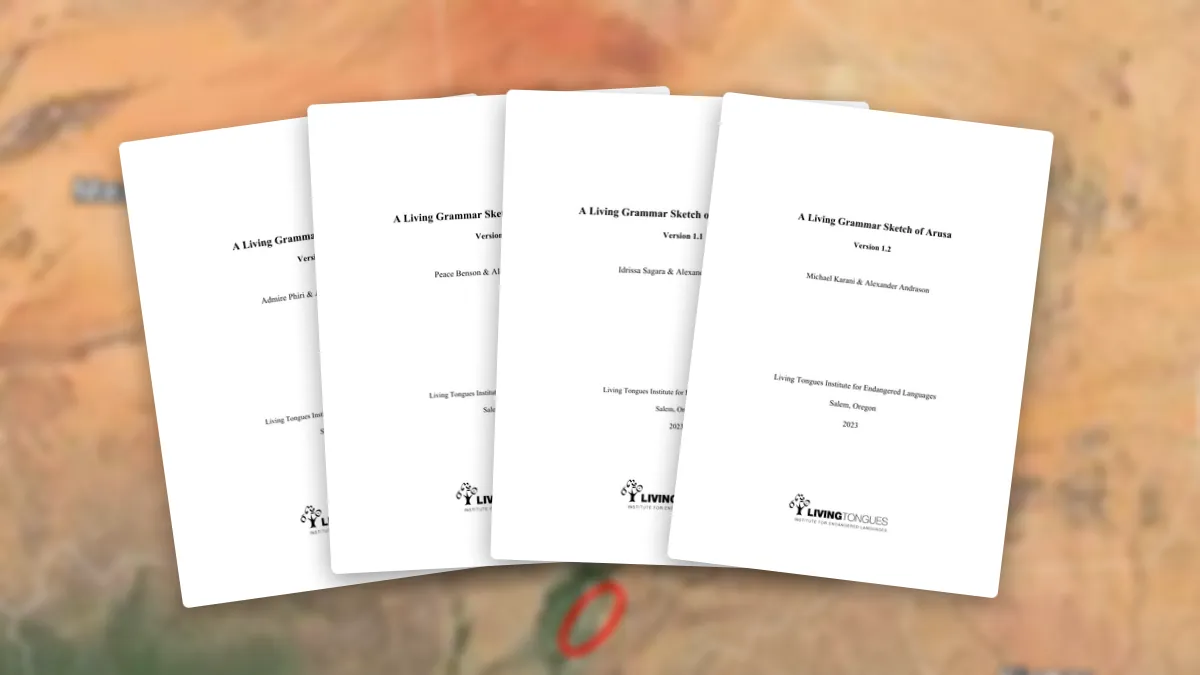 Living Grammar Sketches Living Grammar Sketches present concise yet authoritative grammatical introductions to under-researched, endangered, and minority languages spoken in Africa. Each volume is authored by a team of linguists, including at…
Asia-Pacific

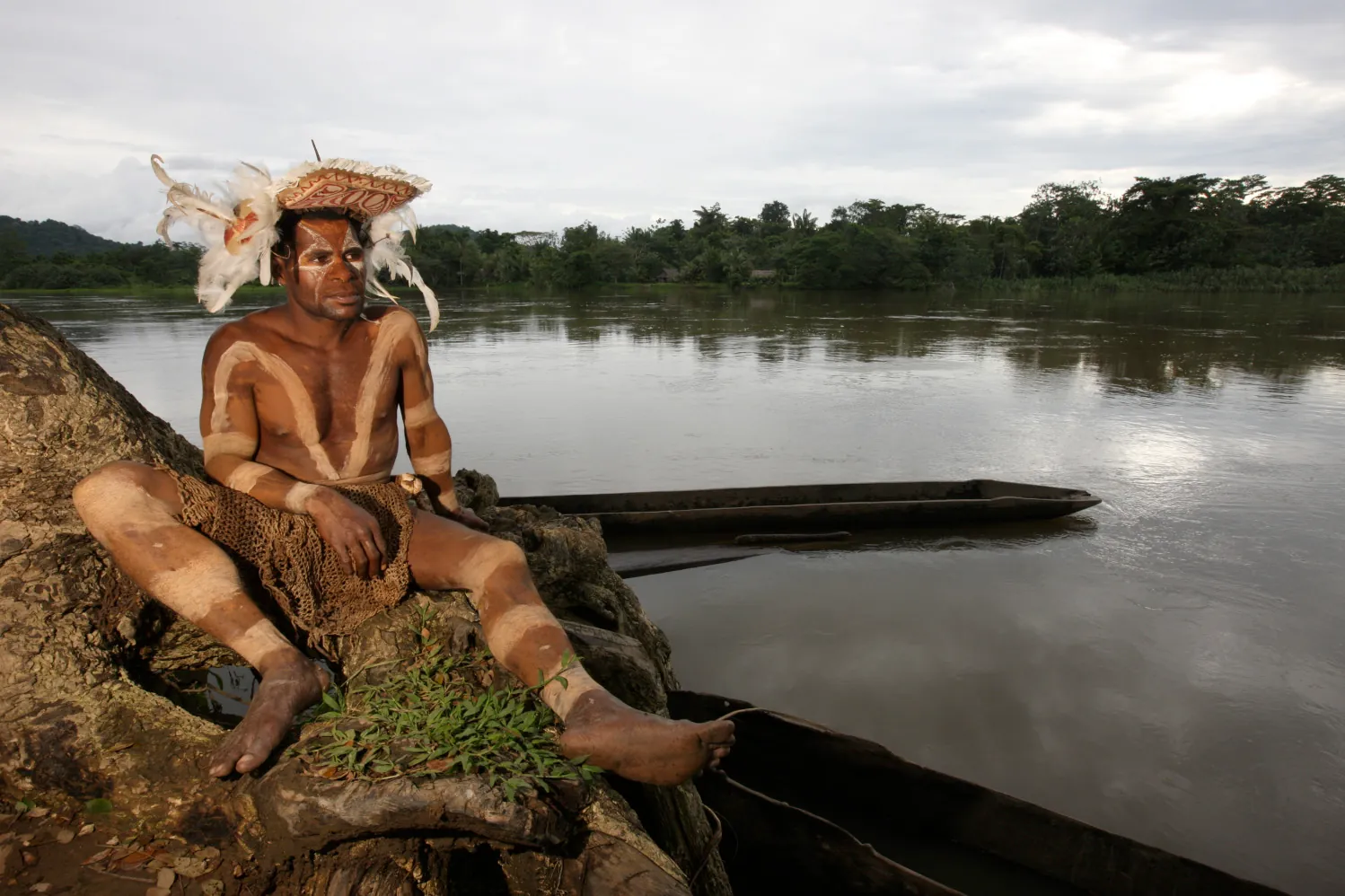 Papua New Guinea Eastern Melanesia ranks among the most linguistically diverse areas in the world, both in terms of total number of languages, and the various families they represent. Stretching across Papua New Guinea, the Solomon…
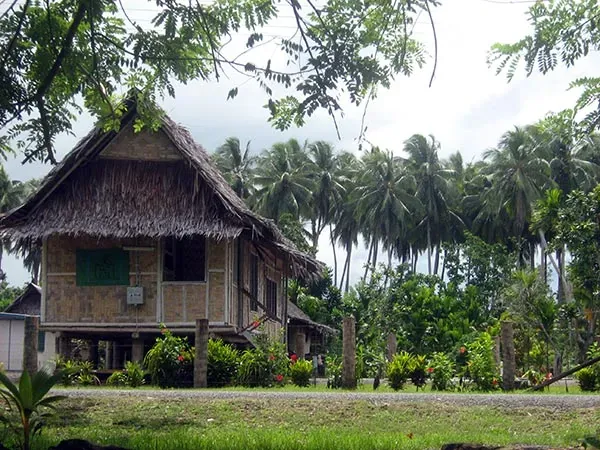 Madang Province While Papua New Guinea (PNG) is rightly known as a center of linguistic diversity, Madang Province is a microcosm of this. There are roughly 200 languages spoken in this province alone. Madang Province also has the…
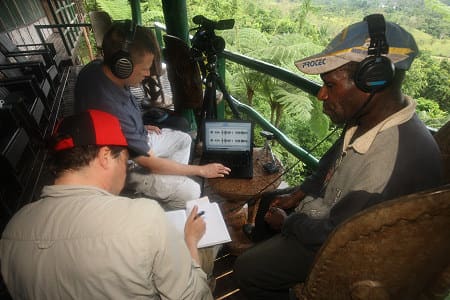 East Sepik Province Wamut Language The Wamut language of the Suhpuhn (sɨpɨn) people of Wambrumas village in the Karawari river region of East Sepik Province in Papua New Guinea is also known as Nanubae in the extant linguistic literature.…
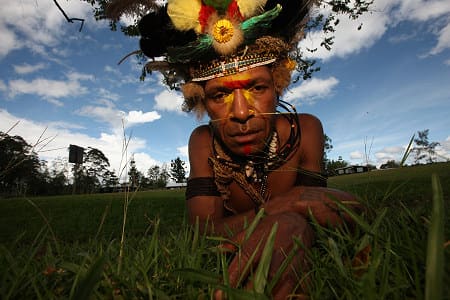 Southern Highlands Province The rugged Southern Highlands Province of Papua New Guinea is home to a number of languages, but many are under threat from two sources, the large Huli language that is regionally dominant and the nationally dominant…
Northern Australia
The Northern and Central Australia hotspot, with Magati Ke
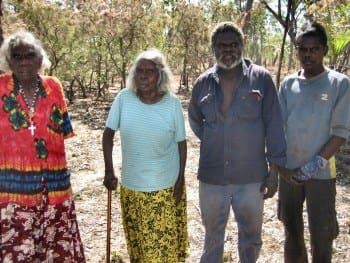 Australia Northern and Central Australia Language Hotspot In September, 2007, National Geographic Mission Programs in partnership with Living Tongues Institute for Endangered Languages launched the Enduring Voices mega-project to…
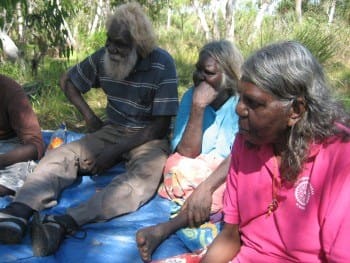 Magati Ke In 2007 Magati Ke had only two or three speakers left, in Wadeye, Northern Territory. Photos and recordings from our Enduring Voices expedition to Australia.
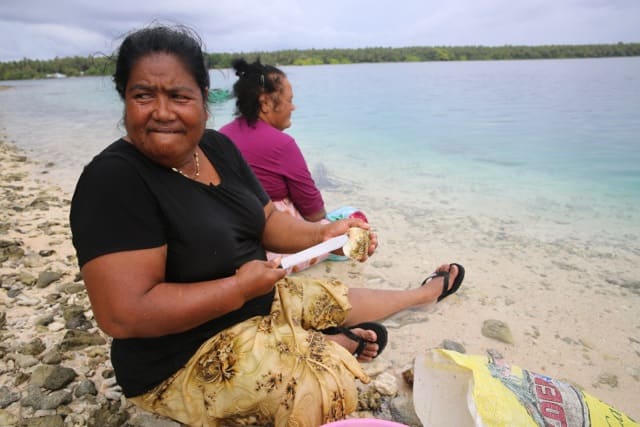
Siberia and Inner Asia
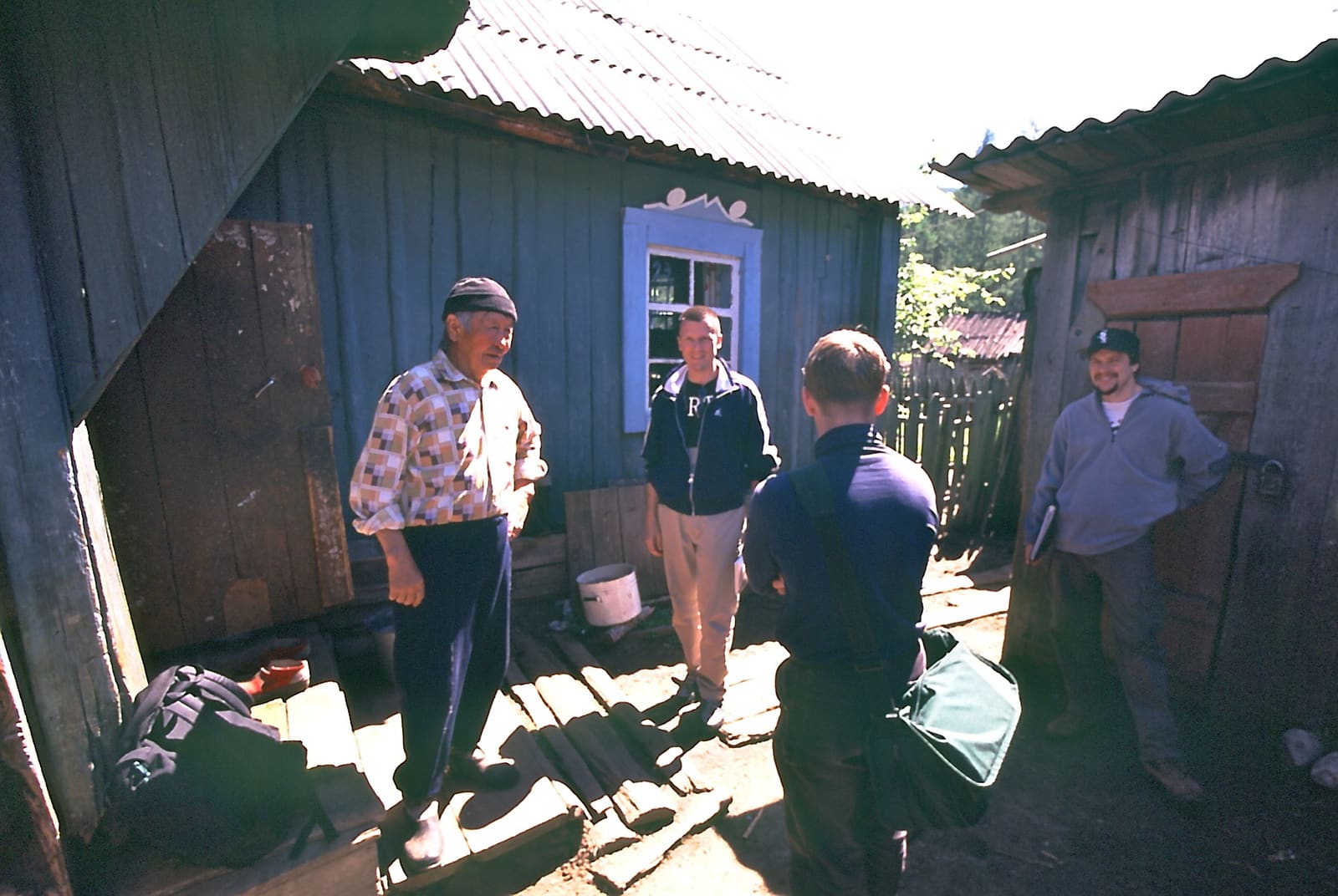 Altai-Sayan Language and Ethnography Project Altai-Sayan · Tofa, Tuvan and neighbouring languages, Siberia The Altai-Sayan Language and Ethnography Project is a multi-media documentation project on the endangered languages and cultures of the Turkic-speaking populations of the Altai-Sayan cultural and geographic complex. The…
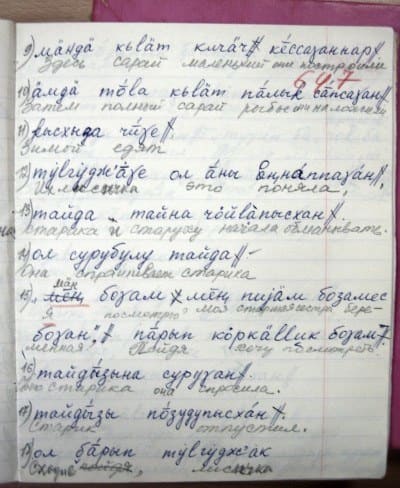 Ös (Chulym) Ös (Middle Chulym) · Tomsk region, Siberia The Ös Documentation Project Ivan Skoblin, Ös consultant The Ös people were dropped from census statistics as a distinct ethnic group after 1959, regaining separate ethnic identity only in 1999. A priority for this…
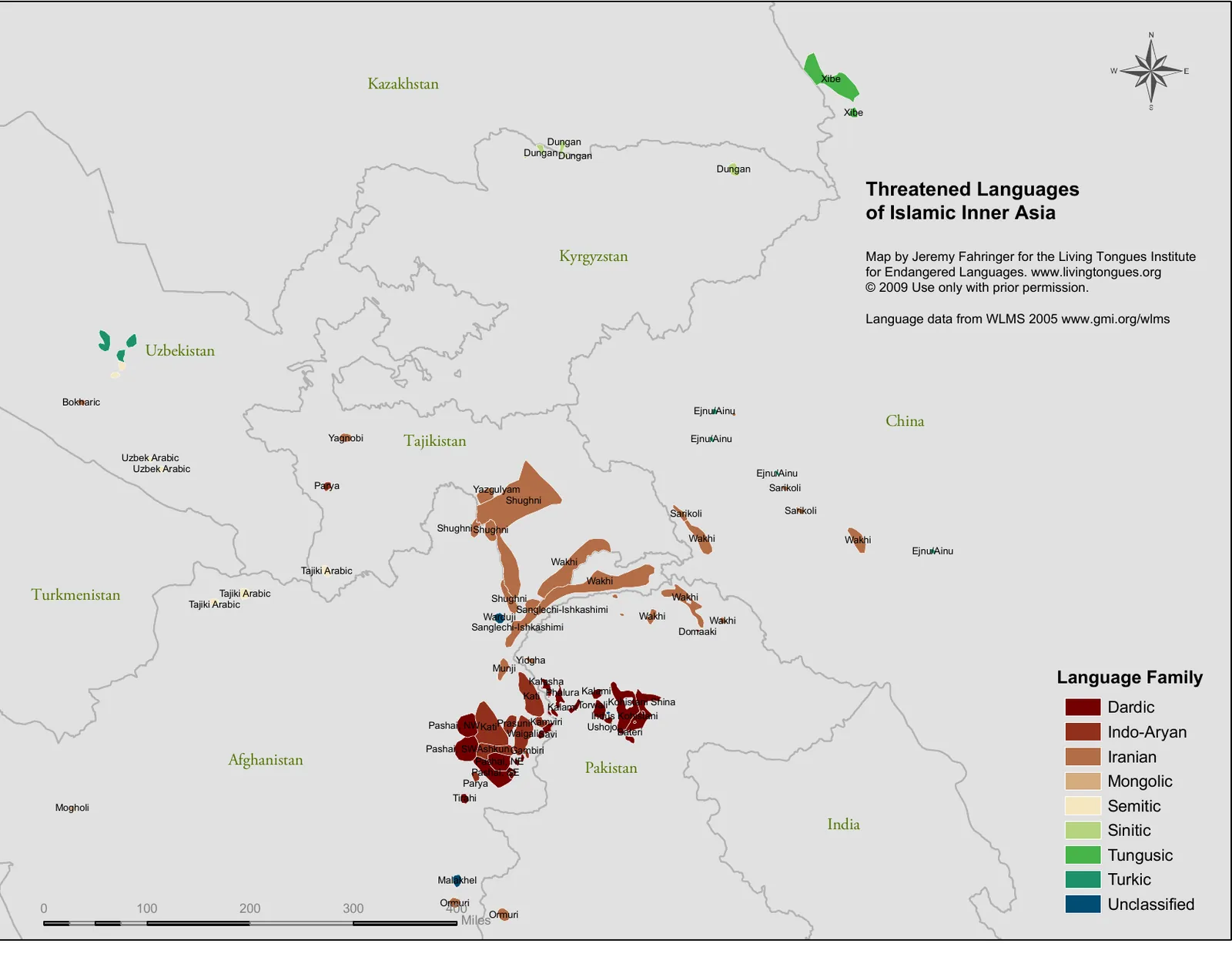 Islamic Inner Asia Islamic Inner Asia · Northern Pakistan, Afghanistan and western China Islamic Inner Asia covers the region of northern Pakistan, Afghanistan, extreme Western China and southern parts of former Soviet Central Asia. The endangered and threatened languages of the region belong to a number of…
The Americas
Bolivia
Chipaya and Kallawaya
- Chipaya Chipaya is an Uru-Chipaya language spoken by 1,000-1,500 people in the southern highlands of Bolivia. Chipaya speakers are undergoing shift to Spanish and Central Aymara. During the filming of The Linguists , Living…
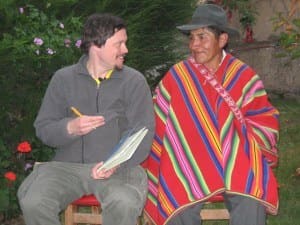 Kallawaya Language Project Local coordinator Jose Lara Yapita and Kallawaya speaker Illarion Ramos discussing traditional plants The Kallawaya Language Project began in 2007 in Bolivia, and scenes from fieldwork among the Kallawaya were featured…

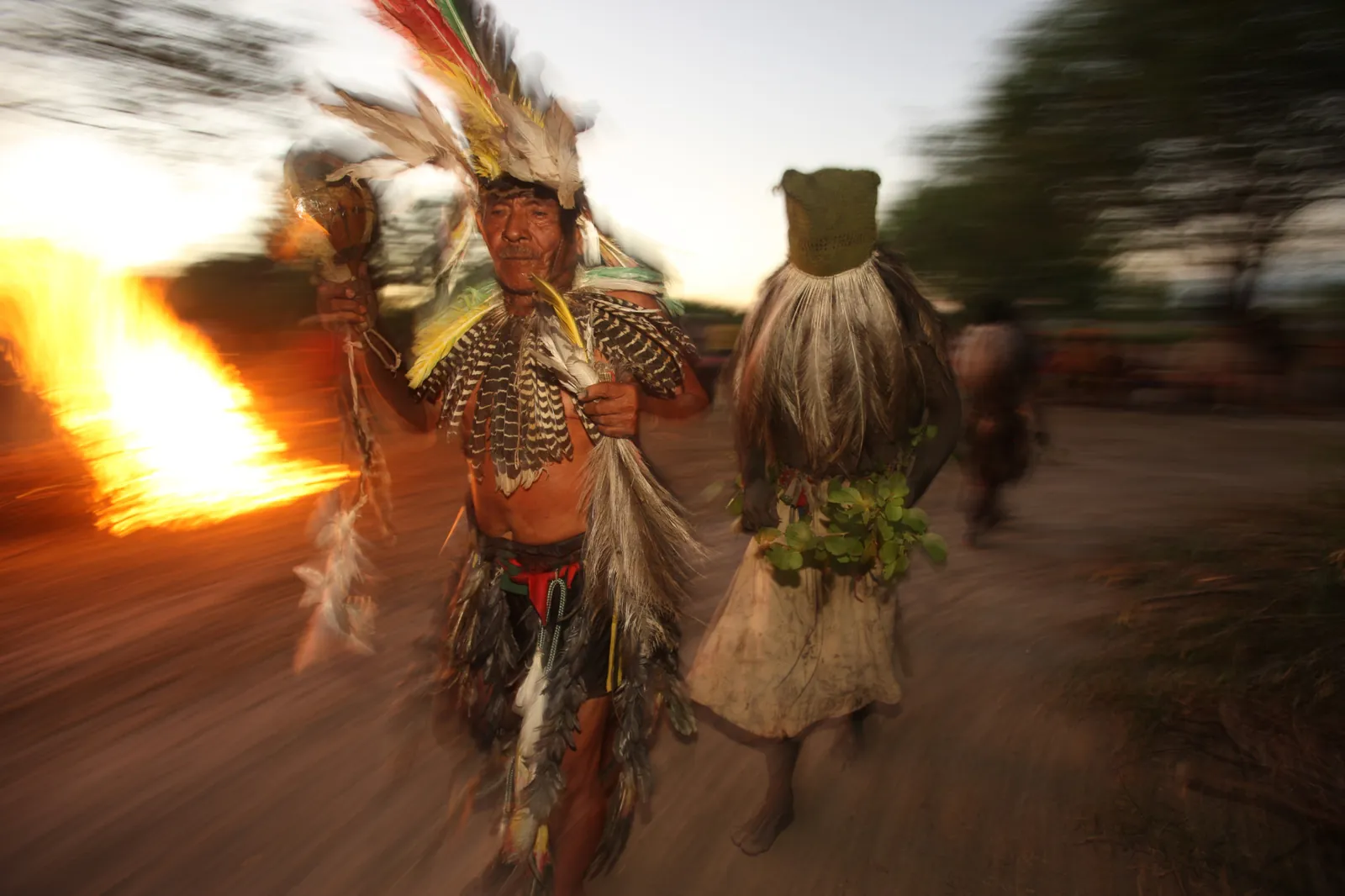 Chamacoco (Yshyr) Chamacoco (Yshyr) , also known as Yshyr(o), is one of two extant languages of the Zamucoan language family. Chamacoco (Yshyr) has approximately 1,500-2,000 speakers scattered across several villages and towns in the…
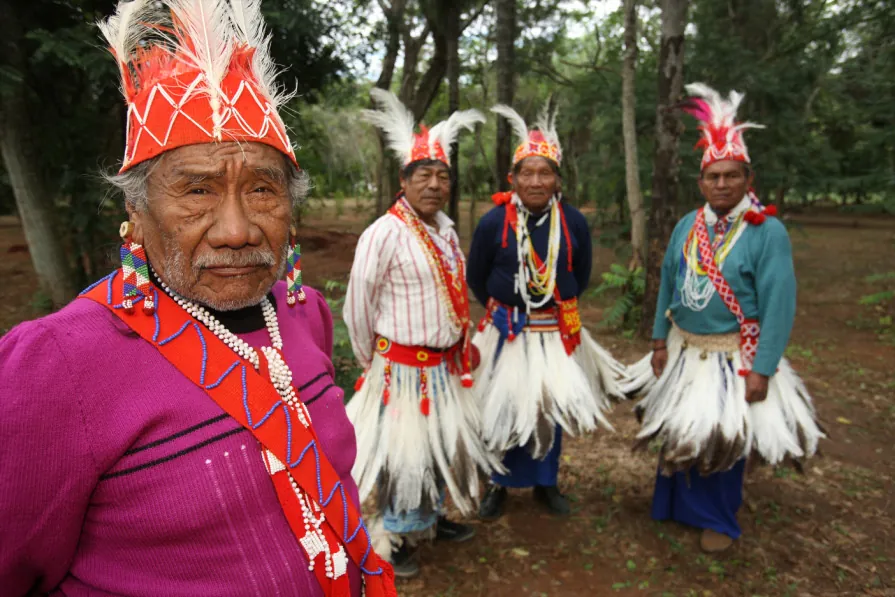 Mak’a In May and June, 2009, Living Tongues visited the main Mak’a settlement, Colonia Maka located on the outskirts of Asunción, Paraguay to assess the vitality, current use and state of the Mak’a language . This Matacoan…
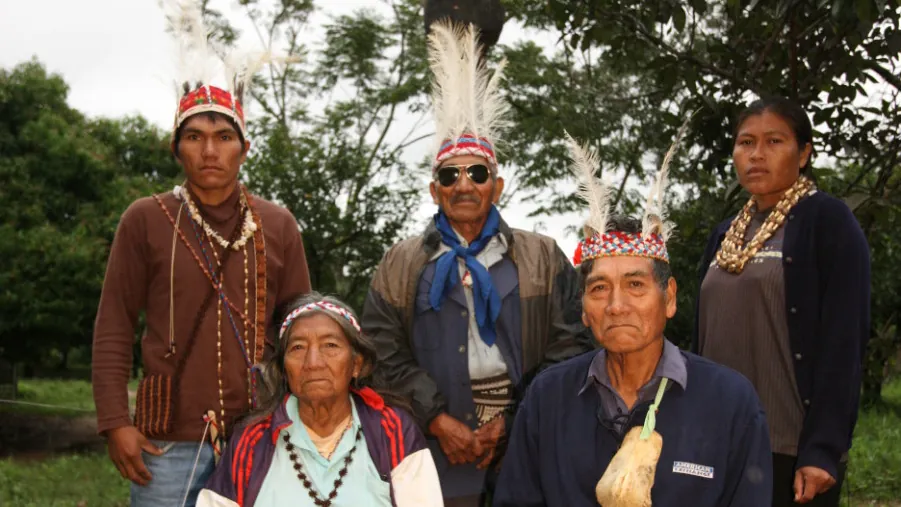 Toba-Qom The Guaicuruan language Toba-Qom is spoken in Paraguay mainly in the settlement of Cerrito in a Franciscan community some hundred kilometres from Asunción. There are roughly 1,500 speakers of Toba-Qom who call…
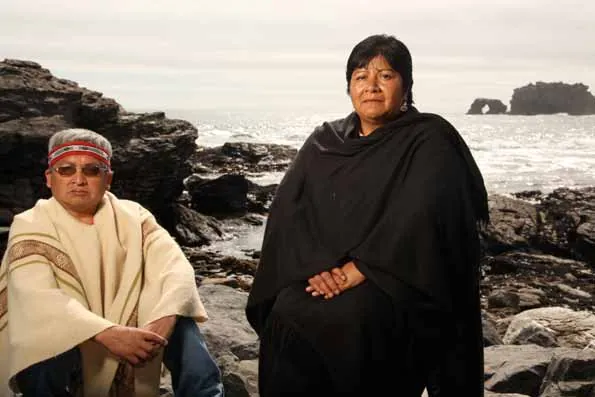 Tsesungun The critically endangered Tsesungun variety of the Huilliche language has only a handful of speakers remaining in the region of San Juan de la Costa in Osorno Province, southern Chile, found in such villages as Choroy…
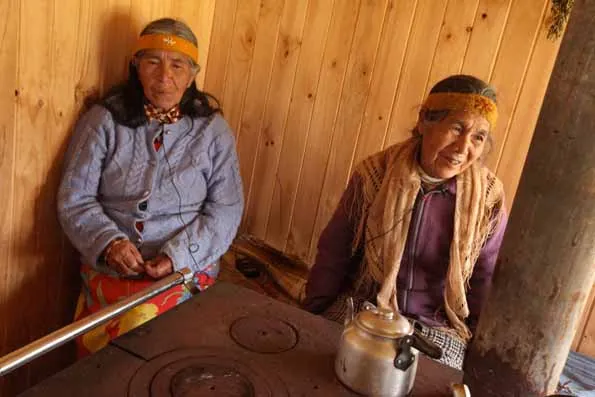 Hullichesungun On Chiloé Island, southern Chile, the Huillichesungun variety of Huilliche is still maintained by a handful of speakers. Despite being further away from the center of the Mapudungun language area than Tsesungun,…
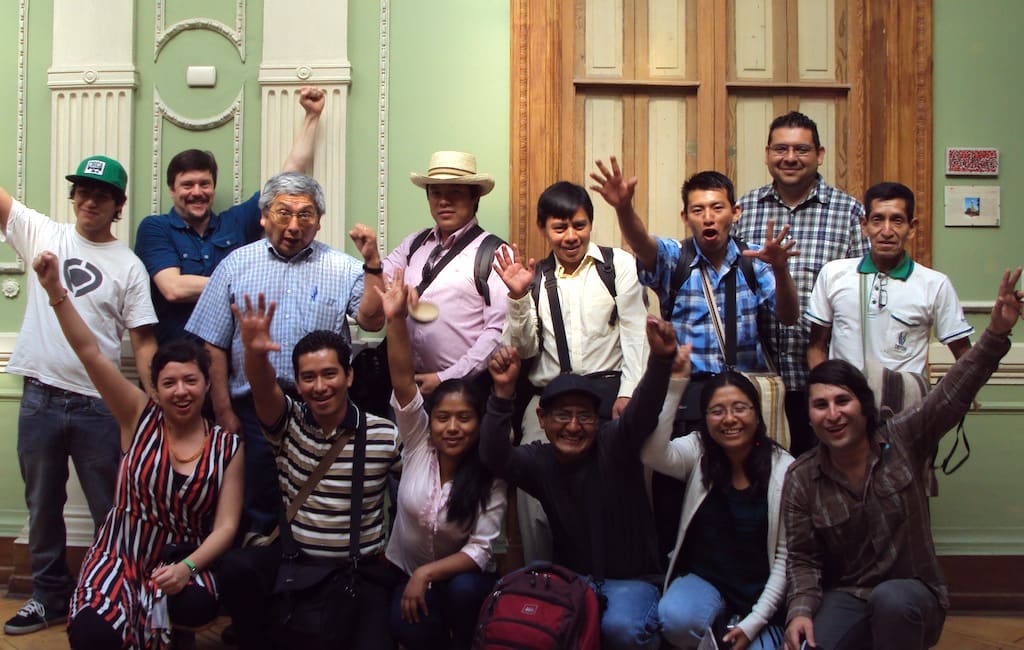 Taller educativo Nat Geo, Santiago de Chile, 2013 PROGRAMA Voces Duraderas : Taller de medios tecnológicos para los hablantes de lenguas en peligro en Latinoamérica. Fechas: 7, 8, 9, 10 y 11 de enero 2013 Lugar: Biblioteca de Santiago, Matucana 151, Santiago de Chile…
More projects in The Americas
 Siletz Dee-Ni Siletz Dee-ni · Oregon, United States Living Tongues Institute for Endangered Languages began the Siletz Dee-Ni Online Talking Dictionary Project in early 2006. The dictionary had restricted access to tribal members and affiliated scholars only. In January…
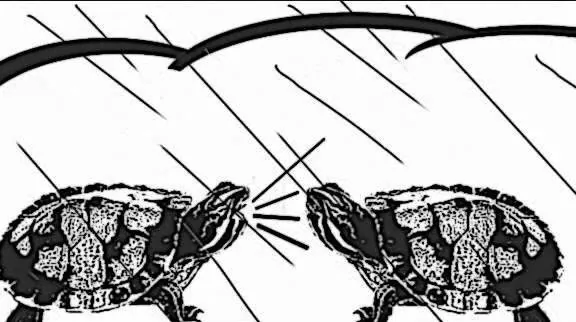 Oklahoma Oklahoma · Sauk and the other languages of the Oklahoma hotspot The Oklahoma Language Hotspot is one of two such areas found in the United States. As a result of the specific history of Oklahoma in its role as Indian Territory, numerous indigenous groups were moved eastward or…
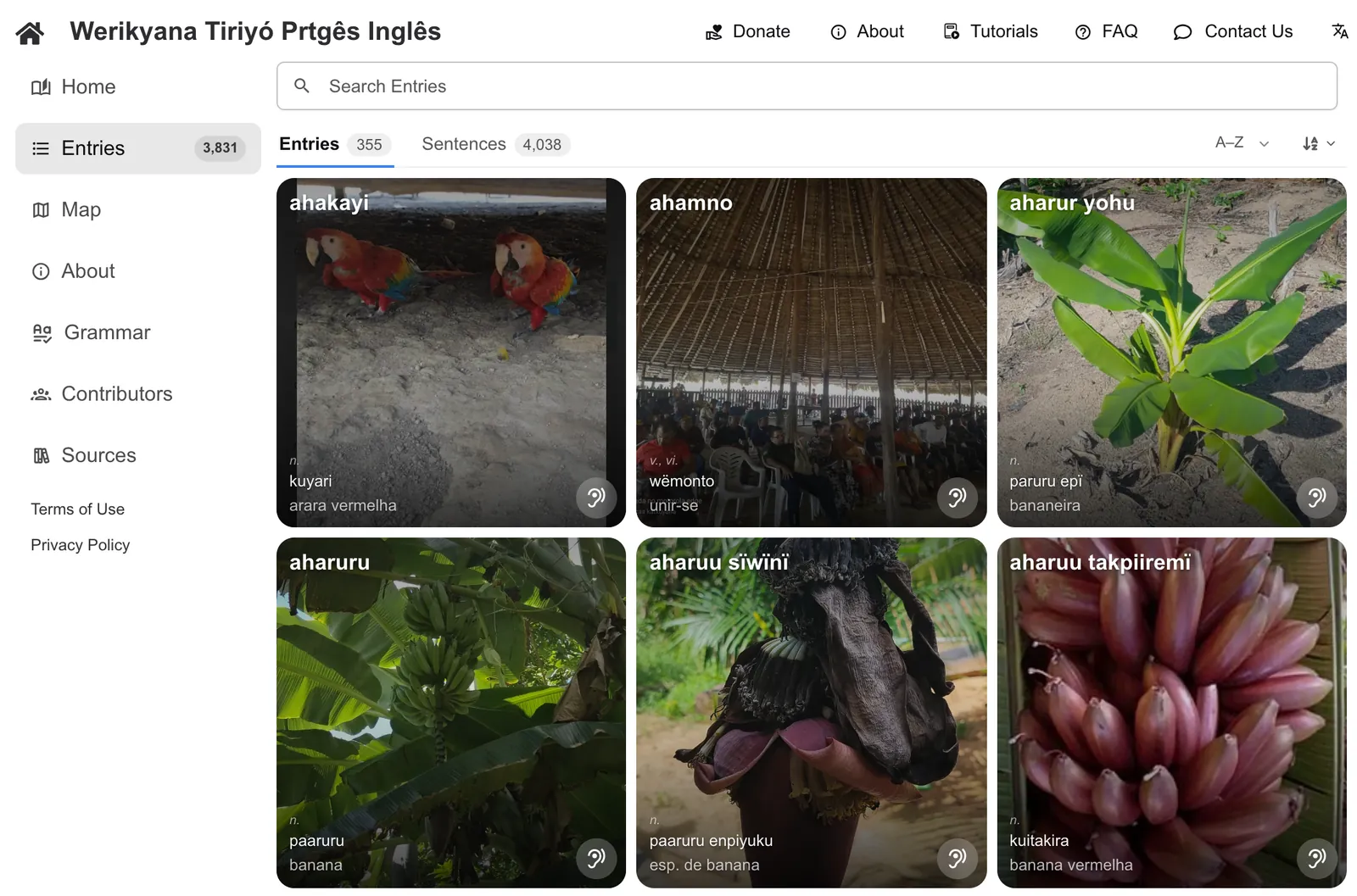 The Werikyana-Tiriyó-Portuguese-English Living Dictionary is now online! Werikyana · A quadrilingual dictionary from the Brazilian Amazon We have an important milestone to share with the world! The Werikyana-Tiriyó-Portuguese-English Living Dictionary is now available for public browsing. It has over 3,000 entries with accompanying audio recordings and…
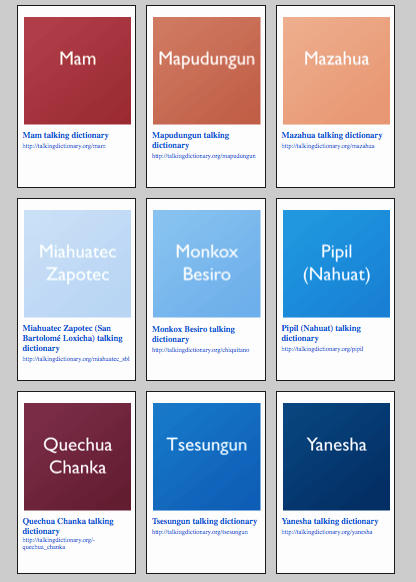 Dictionaries of Latin America Peruvian Amazon · Yanesha and Muniche, both Living Dictionaries now We are pleased to announce that 14 new Talking Dictionaries for Latin America are now under development and are available for online viewing and listening. The new dictionaries were created in collaboration with…
Worldwide
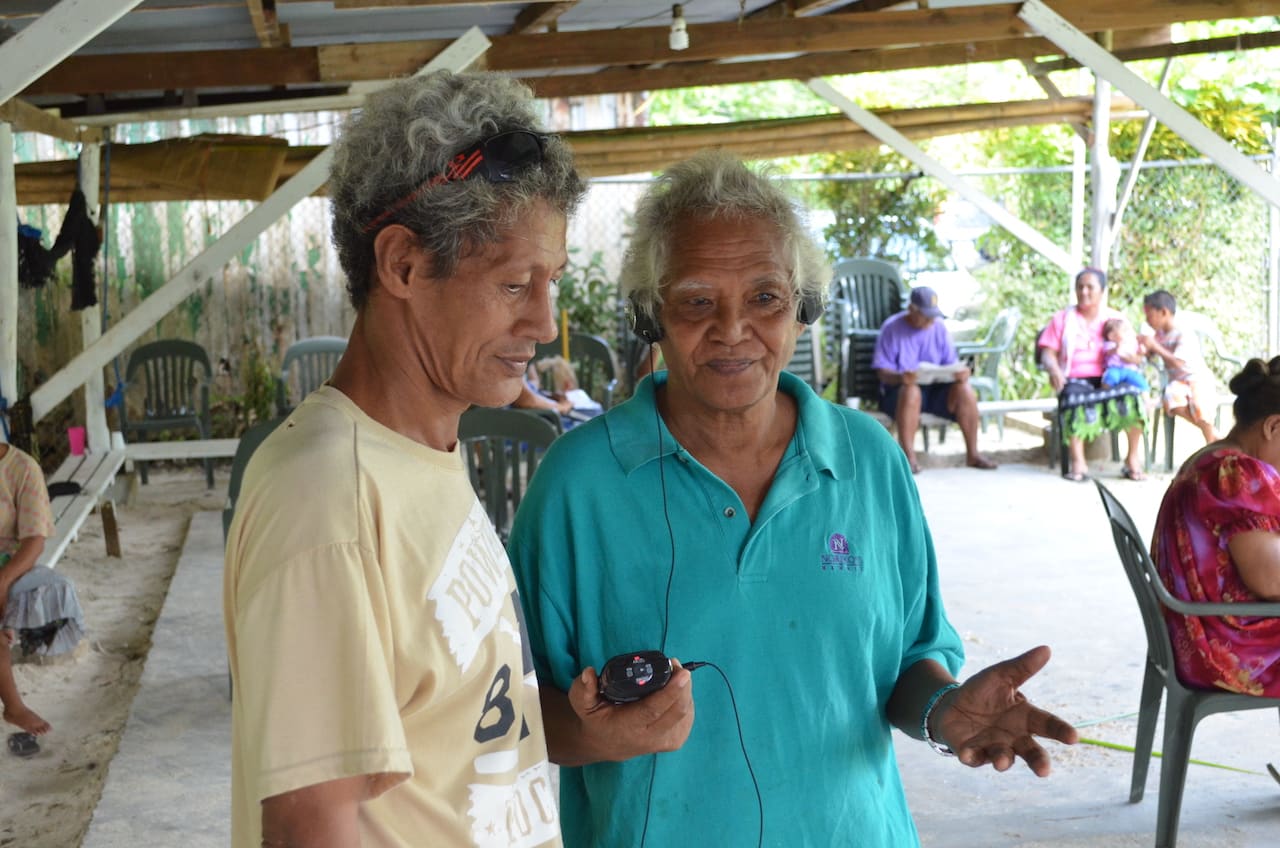 Living Dictionaries Background Living Tongues Institute for Endangered Languages, a leading non-profit research organization based in the US with researchers located around the globe, stands at the intersection of linguistics and community…
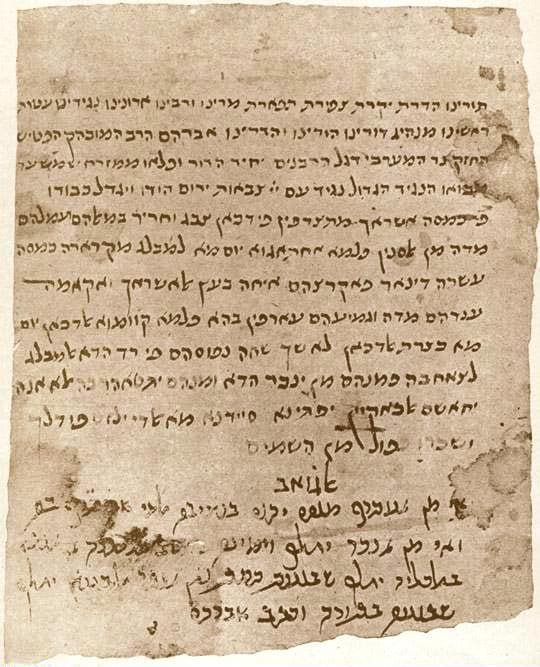 Jewish Languages Project: Overview In 2,000 years, there have been at least thirty Jewish languages, each reflecting unique histories of migration and resilience. However, Jewish linguistic diversity was nearly destroyed by migration and violence in the…
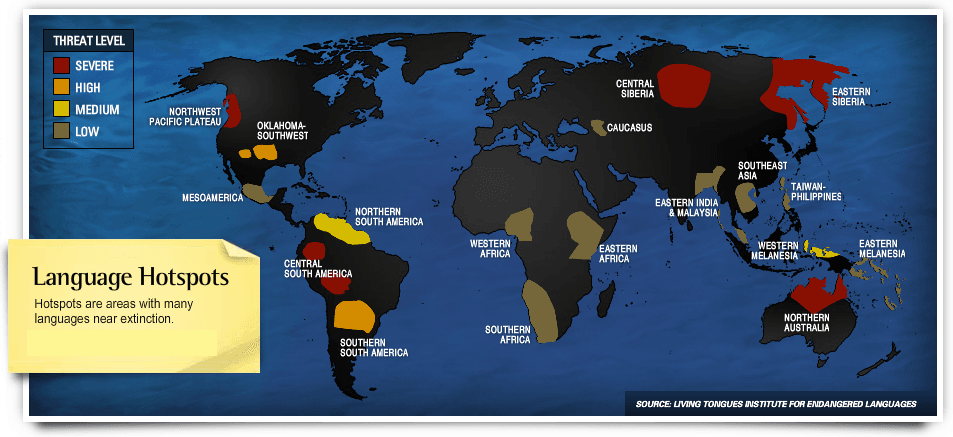 Language Hotspots The Living Tongues Institute for Endangered Languages has identified roughly twenty Language Hotspots. They are areas of the world that are urgently in need of action and should be the areas of highest priority in…
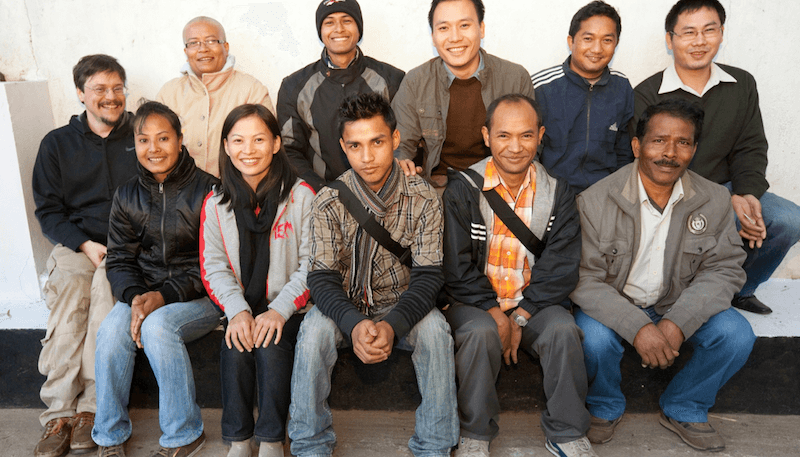 Digital Skills Workshops Indigenous communities around the globe are using technology to help maintain and revitalize their threatened languages and cultures. Thousands of tribal communities, from East Africa to the outback of Australia to the…