The Munda Languages Initiative
What are Munda languages?
The Munda language family is a subgroup of the Austroasiatic family. The Munda peoples are generally believed to represent indigenous tribal populations over much of their current areas of residence in India. The original Munda-speaking territory was rather large, and was subsequently settled or colonized by Indo-Aryan speakers and Dravidian speakers, and Munda speakers were marginalized into the relatively remote hill country and (formerly) forested areas.
What is the Munda Languages Initiative?
While some Munda languages are stable, many are currently endangered. Almost all aspects of every Munda language require more analysis before we have an adequate consensus understanding of even their basic features, in particular, syntactic issues and phonetic analysis are in urgent need of further systematic investigation.
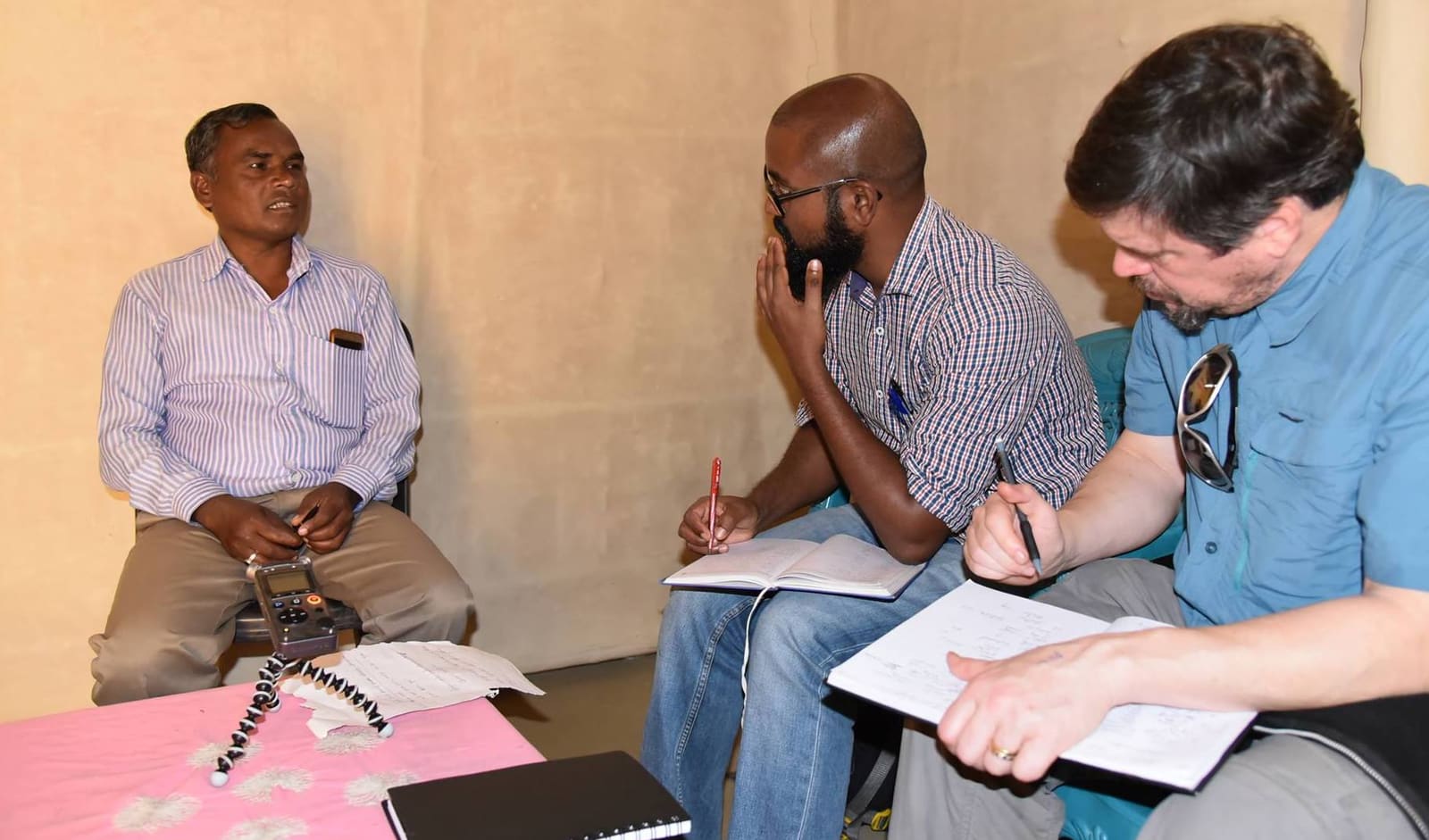
In 2005, Living Tongues Institute for Endangered Languages began the Munda Languages Initiative, a multi-year project to comprehensively document the lexica and grammars of the modern Munda language family. The initiative is led by linguist Dr. Gregory D. S. Anderson, with local projects being coordinated by tribal Indian scholars Dr. Bikram Jora, Mr. Opino Gomango, and Dr. Luke Horo. Archival efforts are coordinated by Dr. Gregory D. S. Anderson and Anna Luisa Daigneault.
Where are the Munda languages spoken?
Munda languages are spoken by around ten million people total, primarily in the eastern and central Indian States of Jharkhand, Odisha, West Bengal, Chhattisgarh, Maharashtra, and Madhya Pradesh, as well as in adjacent regions of Nepal and Bangladesh.
Munda languages range from Koda, which has fewer than one thousand speakers, to Santali, with over seven million speakers (and, as of 2004, is an official language of India). Munda is the westernmost constituent family of the Austroasiatic language phylum. Munda languages, however, appear to be autochthonous to India. The major languages of the family include Santali (7 million+ speakers), Mundari (1.5 million+), Ho (1 million+), Korku (400,000+), Sora (300,000+), Kharia (200,000+), Bhumij (150,000+), Juang (50,000+), and Gutob (50,000+).
Minor languages of the Munda family range between several hundred speakers to a few thousand. These include such languages as Korwa, Asuri, Birhor, Turi, Koda, Gtaʔ (a.k.a. Didey), Remo (a.k.a. Bonda), and Gorum (a.k.a. Parenga/Parengi). The internal classification of Munda remains controversial. Most Munda languages remain unwritten; some others (e.g., Santali, Mundari, Ho, Kharia, Sora) have developing literary traditions, but orthographic issues remain controversial for most if not all the Munda literary languages.
Presentations and publications
Linguistic data and research findings from the Munda Languages Initiative has been presented around the world. Between 2016 and 2018, we presented at conferences such as the Symposium About Language and Society (SALSA), Documentary Linguistics: Asian Perspectives (DLAP-2), the 7th International Conference on Austroasiatic Linguistics (ICAAL 7), New Ways of Analyzing Variation Asia-Pacific (NWAV-AP5), the International workshop on typological profiles of language families of South Asia, the 1st International Conference of Munda Linguistics, the International Conference on Indian Languages in Contact Situations: Historical, Typological and Sociolinguistic Perspectives, and many others.
The research has also resulted in the publication of books and journal articles. See our complete list of Munda Publications.
Grants and support
The Munda Languages Initiative would not have been possible without the generosity of private donors and scientific granting agencies. This support is gratefully acknowledged.
2015-2017. Documentation of Gutob, an endangered Munda language. National Science Foundation/Documentation of Endangered Languages Grant (Award #1500092).
2013-2015. Documentation of Hill Gta’–a seriously endangered Munda language. National Endowment for the Humanities/Documentation of Endangered Languages Grant (Award #PD-50025-13).
2010-2011. Documentation of Remo (Bonda). National Science Foundation/Documentation of Endangered Languages Grant (Award # 0853877) for work on a talking dictionary of Remo (Bonda), a language of the Munda language family spoken in Malkangiri District, Odisha, India.
Earlier dedicated funding for the Munda Languages Initiative was received from Ironbound Films in 2007 to help support our work on Ho, Remo and Sora, during the course of making the documentary film The Linguists which highlights the documentation work of Gregory D. S. Anderson and K. David Harrison.
Other Munda languages we work with
- Kharia [khr]: spoken by the indigenous Kharia people of Jharkhand and Odisha.
- Tamaɽia Mundari: a dialect of Mundari spoken in the Panchpargana area of Jharkhand.
- Gorum [pcj], also known as Parengi: an endangered language spoken by roughly 12,000 people in Odisha.
- Juang [jun]: spoken by roughly 30,000 people in Odisha.
Living Dictionaries
The words, recordings and photos collected in the initiative are online in the Birhor, Gtaʔ, Gutob, Ho, Keraʔ Mundari, Kharia, Korku, Remo, Santali and Sora Living Dictionaries.
Language projects
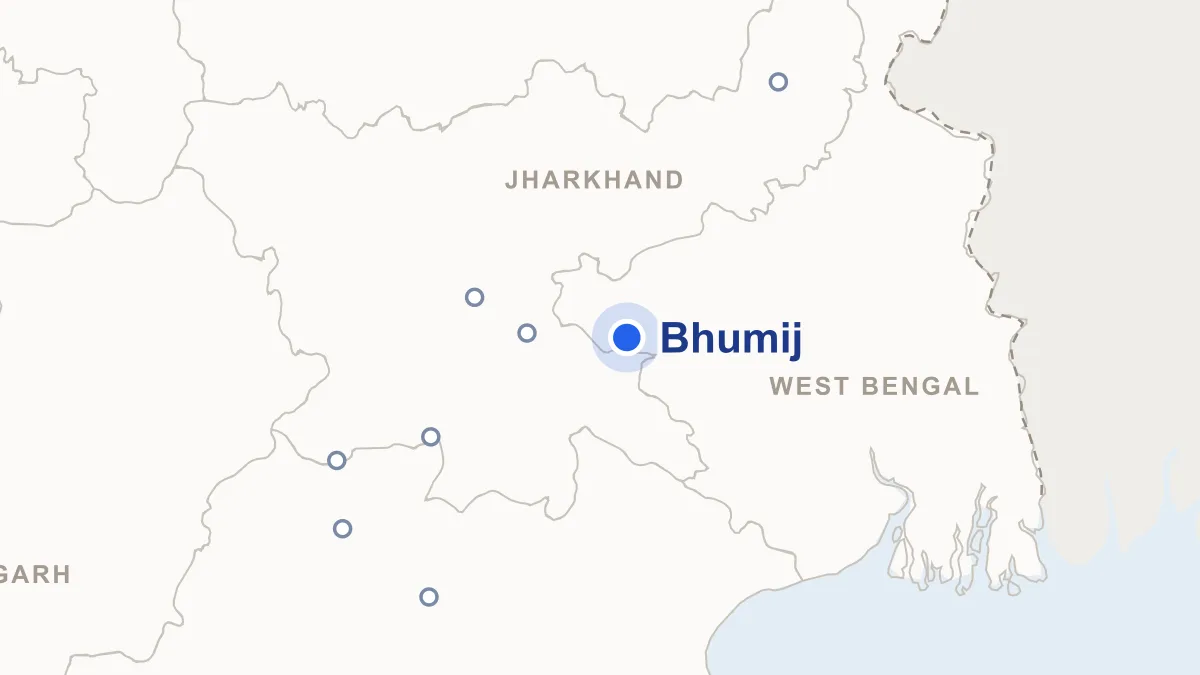 Bhumij Bhumij speakers still number perhaps over 100,000 but they are rapidly adopting Hinduism and abandoning their ancestral Kherwarian North Munda tongue in favor of a local Indo-Aryan variety. The Bhumij today are…
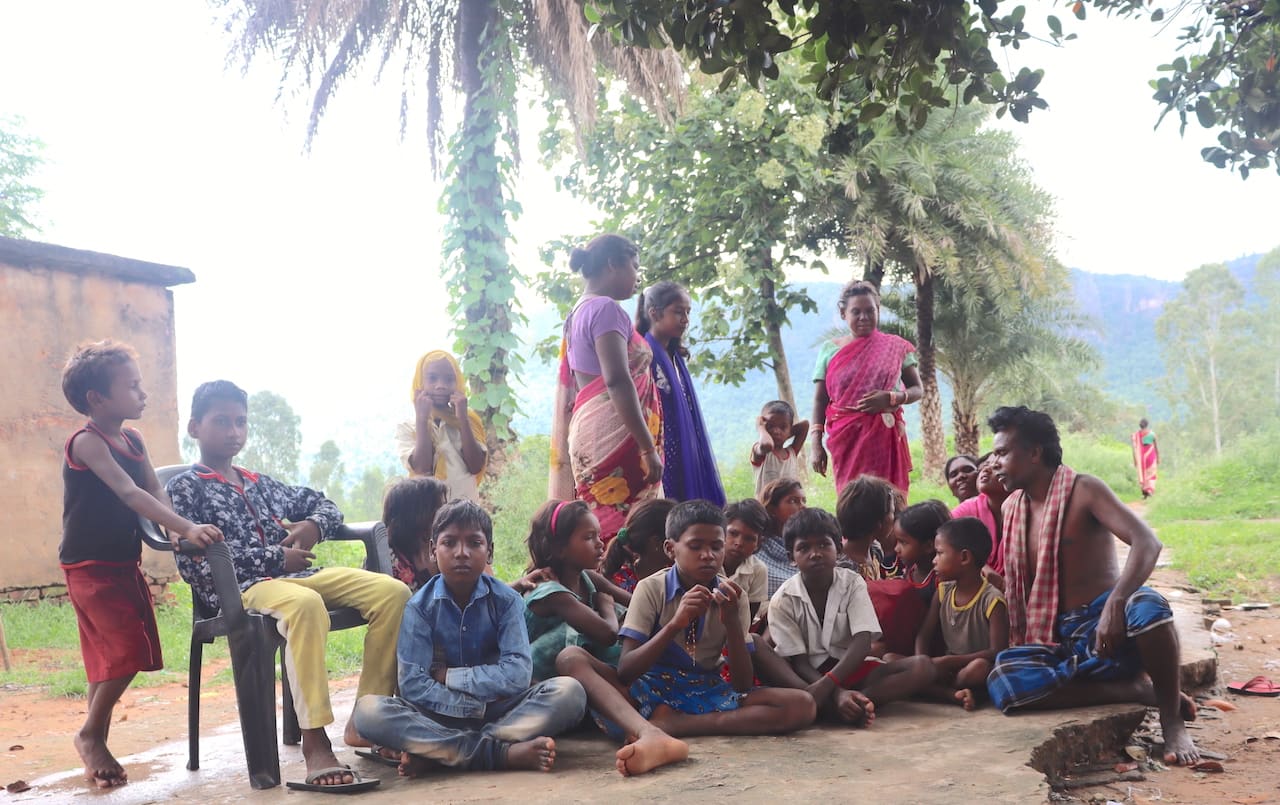 Birhor The Birhor are a Munda-speaking, forest-dependent, semi-nomadic tribal community of fewer than 20,000 people in Jharkhand and neighbouring states of India. Their words, recordings and photos are in the Birhor Living Dictionary.
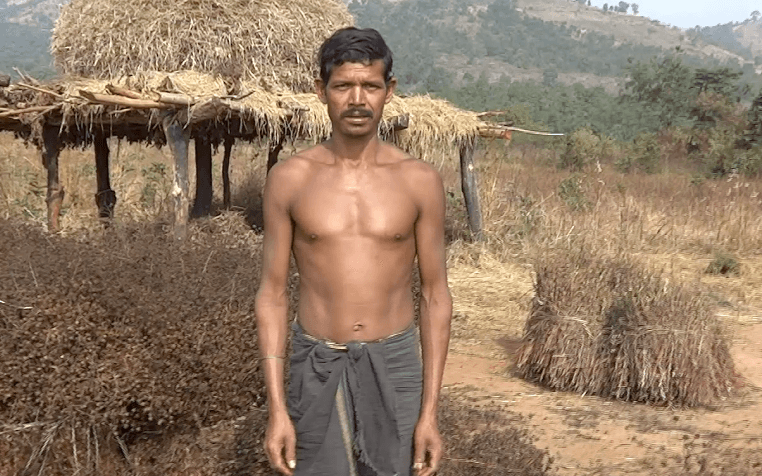 Gtaʔ (Didey) Gtaʔ also known as Didey remains one of the least known of the Munda languages. The Living Tongues Institute for Endangered Languages began working with speakers of Gtaʔ in 2010 as they occupy villages either together…
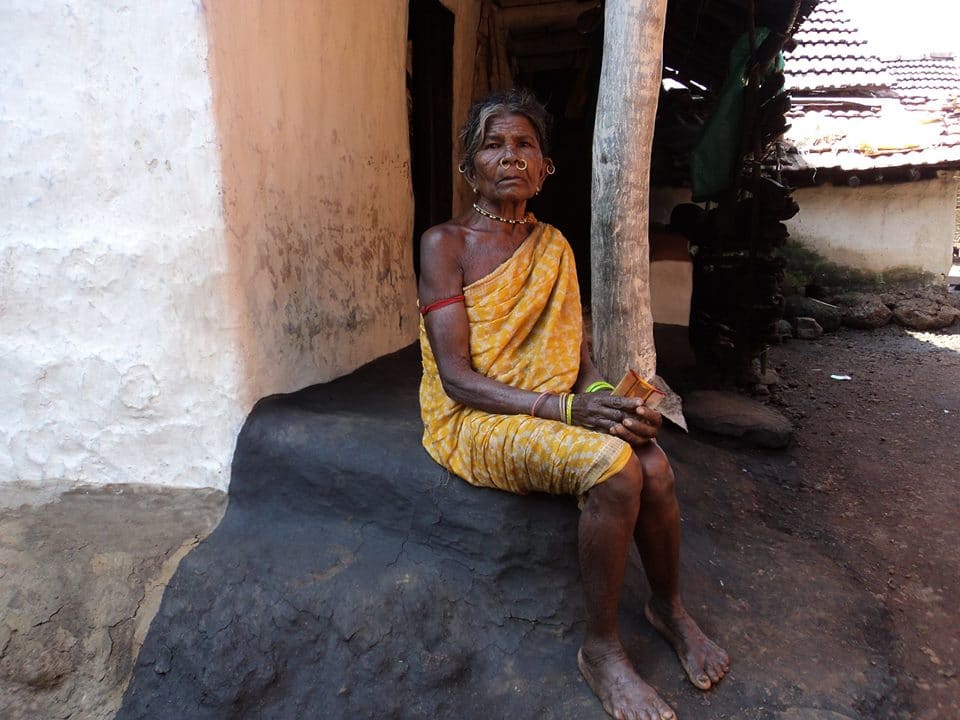 Gutob Gutob, also known as Gadaba or Bodo-Gadaba, is a highly endangered Munda language of Koraput District, Odisha, India, with roughly 5,000–8,000 speakers. Over 13,000 Gutob words are in the Gutob Living Dictionary.
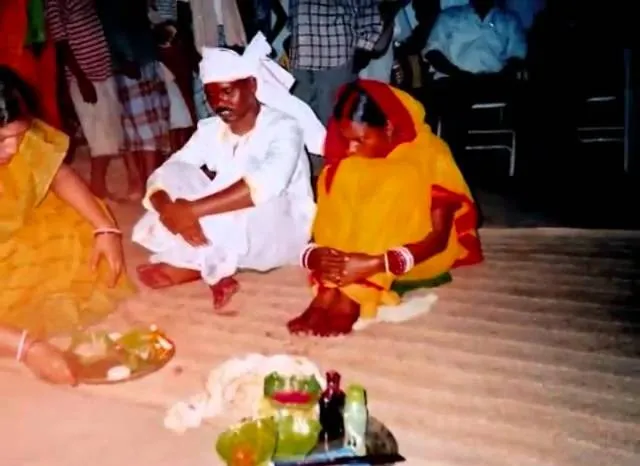 Ho Another of the Kherwarian Munda languages, Ho is spoken in two rather distinct varieties in southern Jharkhand and Northern Orissa (Mayurbhanj district). Despite having close to a million and a half speakers, Ho is…
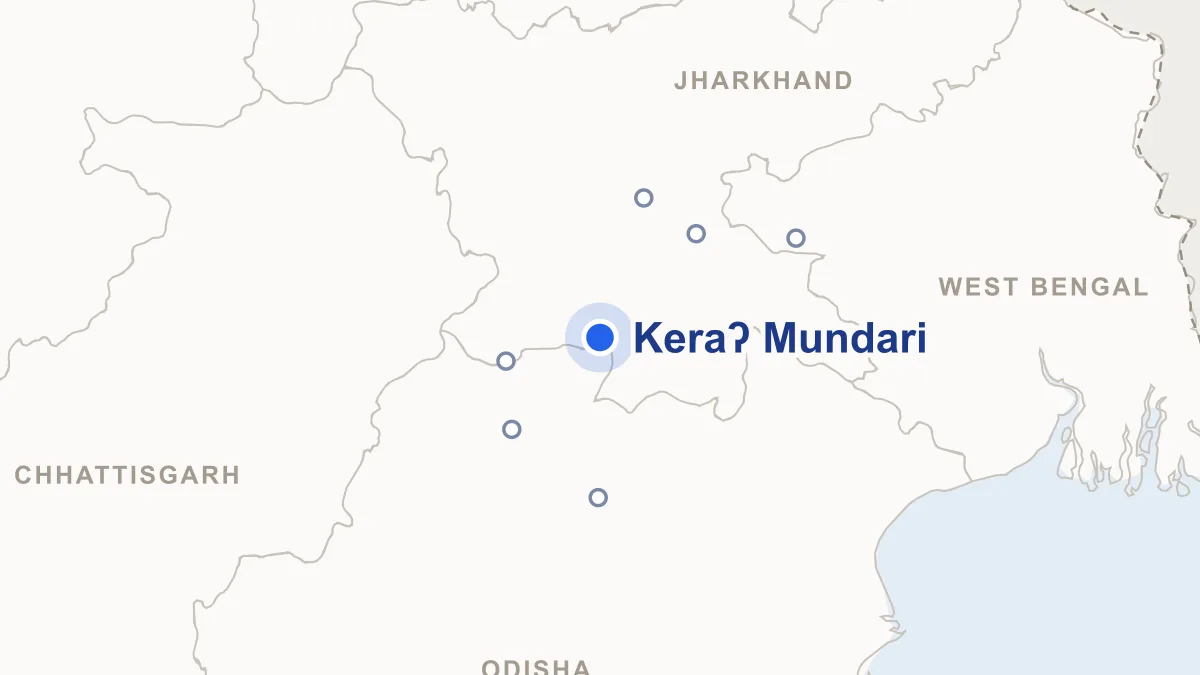 Keraʔ Mundari Keraʔ Mundari is a variety of Mundari spoken by the Oraons in and around Ranchi, the capital of Jharkhand, India. Its name is said to come from the past suffix -kera.
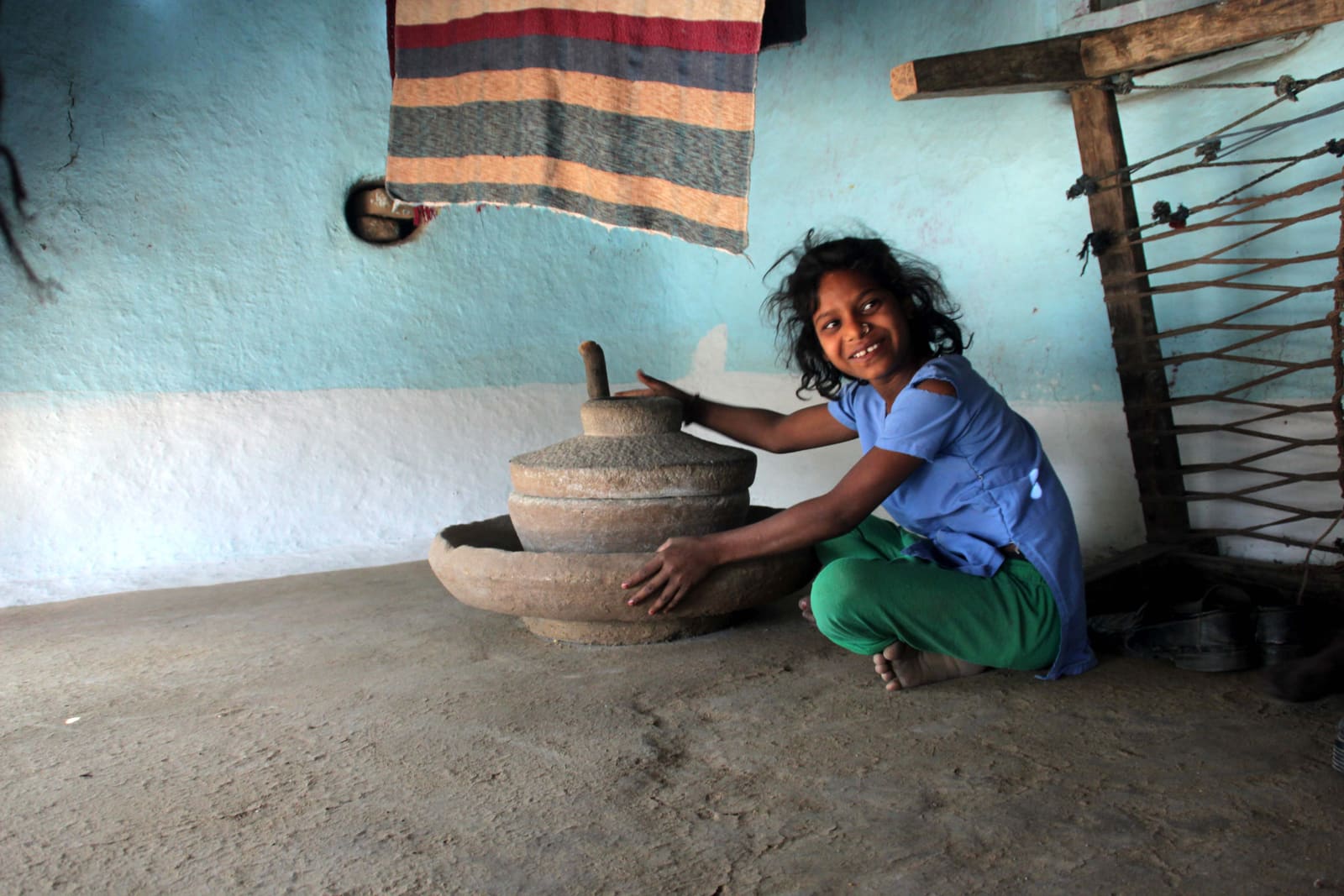 Korku Korku is the westernmost Munda language, spoken by the Korku people of Madhya Pradesh and Maharashtra. Living Tongues has recorded Korku speakers since 2016, and the first words are in the Korku Living Dictionary.
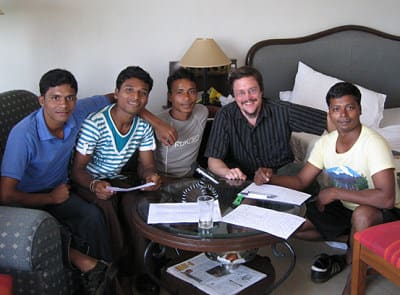 Remo Remo or remsam is the language of the Bonda people of Malkangiri district, Orissa. Although a highly celebrated tribal people for their unique cultural practices, Remo has remained a poorly investigated language. It is…
 Santali Santali is by far the largest of the Munda languages and the only one with recognition by the Indian government as an official language. This Kherwarian North Munda language is spoken mainly in the states of Jharkhand…
 Sora Sora is a South Munda language spoken mainly in Ganjam and Gajapati districts of Orissa, as well as a few other districts of this Indian State, and in adjacent hilly tracts of neighboring Andhra Pradesh State. Though…