Yamada, Yukihiro



Difference between [ʁ] and [ʁ̞]:
[ʁ] - Voiced Uvular Fricative
The symbol [ʁ] represents a voiced uvular fricative, which is a consonantal sound produced by directing air through the uvula, causing turbulence. This sound is often described as a "raspy" or "guttural" fricative.
[ʁ̞] - Voiced Uvular Approximant
The symbol [ʁ̞] represents a voiced uvular approximant, which is a consonantal sound produced by directing air through the uvula without causing significant turbulence. The lowering diacritic mark ( ̞ ) indicates a more open or approximant-like quality compared to the fricative [ʁ].
Key Differences
The main difference between [ʁ] and [ʁ̞] is:
- *Degree of constriction*: [ʁ] has a more narrow constriction, resulting in turbulence and a fricative quality, while [ʁ̞] has a more open constriction, resulting in a smoother, approximant-like quality.\
- *Sound quality*: [ʁ] has a more "raspy" or "guttural" quality, while [ʁ̞] has a more "smooth" or " gentle" quality.
In summary, while both sounds are produced at the uvula and are voiced, the difference lies in the degree of constriction and the resulting sound quality.
Historical Note:
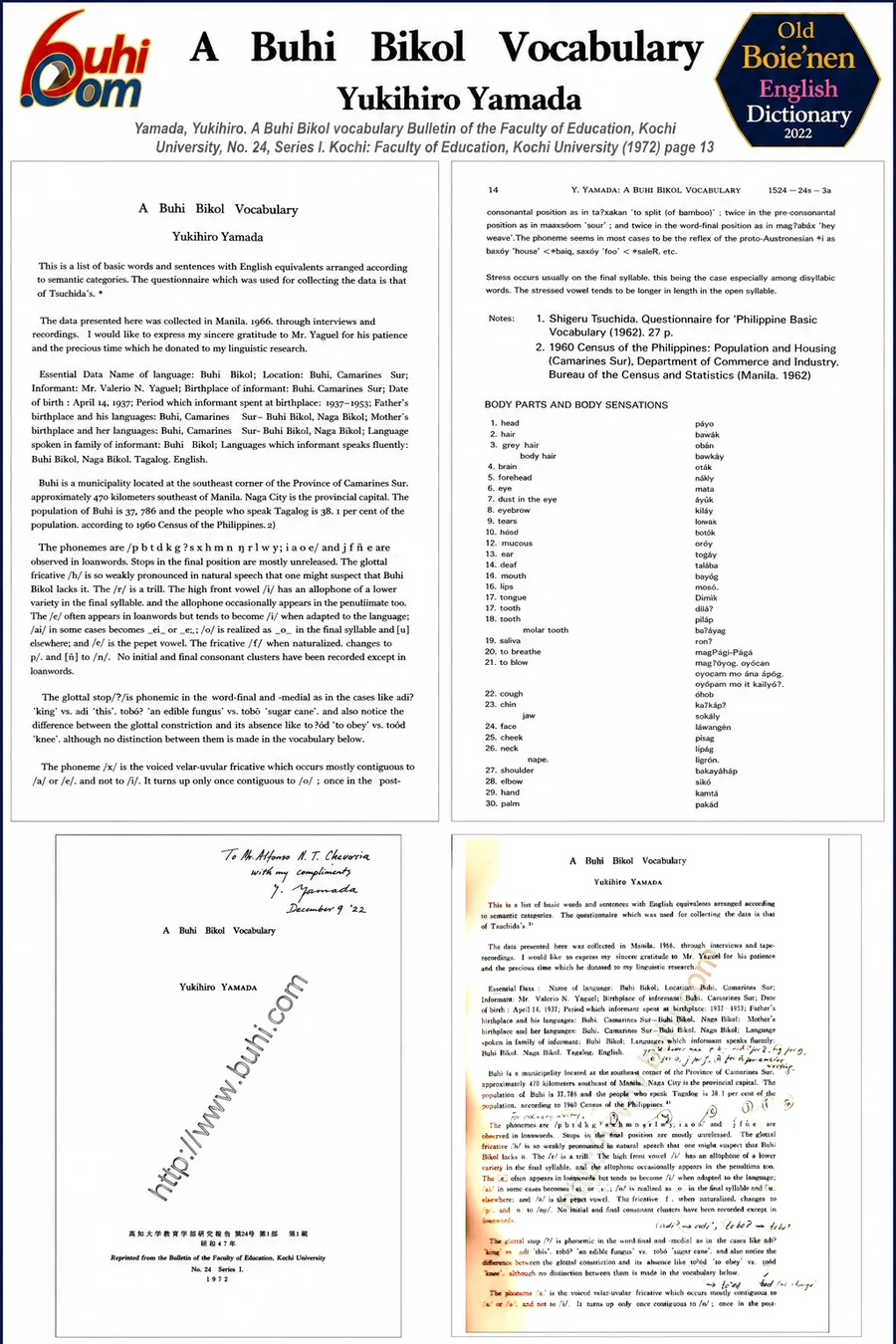
Dr. Dominga Jacome-Portugal, a native-born Boie’nen, proposed a new symbol for the Boie'nen sound, citing the lack of an IPA phonetic transcription at the time, overlooked Professor Yamada's earlier work.
In 1972, Yamada had already identified this sound as a "voiced velar-uvular fricative" and proposed the Phoneme X symbol for it.