koir
Devanagari Script
कोइर
Phonetic
[koir]
English: Translation
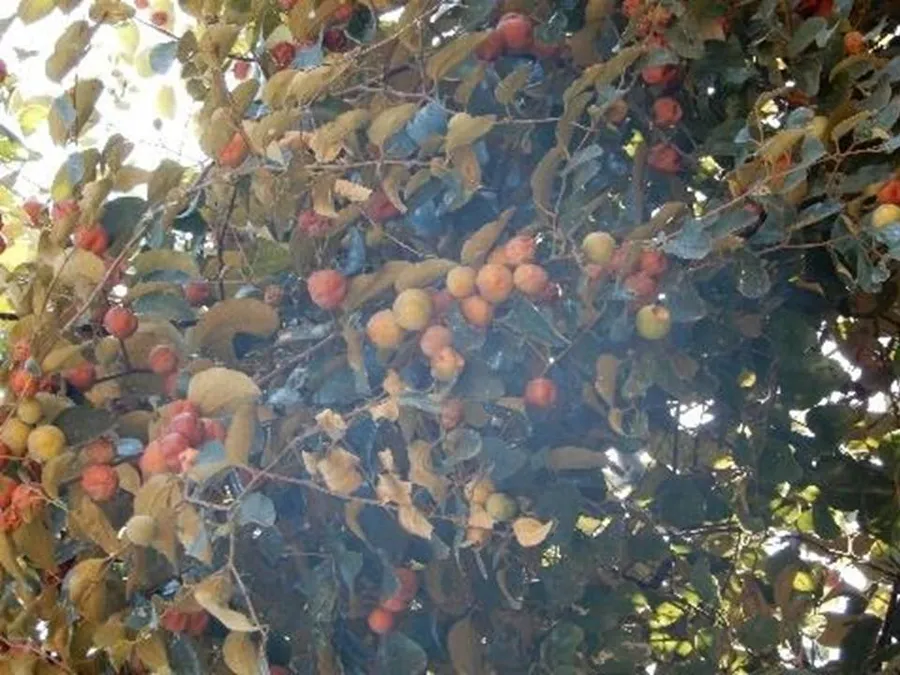
Indian plum, Ziziphus mauritiana Lam.
Hindi: Translation
बेर
Semantic Domain
Plants, trees and other vegetation
Health, well-being and sickness
Notes
The koir is a medicinal tree and its various parts are used to treat ailments.
Medicinal values for: digestive problems, pimples and boils
- Fruit: The fruits (dʒo) are usually consumed raw when the white flesh is dense, crisp and astringent. These are classified as cooling fruits (dʒo) because they are used to treat indigestion, burning sensations, fevers, and thirst, and are considered to help stimulate digestion and prevent allergies.
- The fruits (dʒo) are mixed (mesa) with salt (buluŋ) and taken orally as a common home remedy for digestive problems. The pulp (guda) of the fruit (dʒo) is applied on ulcers and cuts for recovery and relief from pain. Too much consumption of koir fruit (dʒo) leads to coughing (kʰuʔ).
- Leaf: A paste prepared from the leaves (sakam) is applied to pimples, acnes or boils. This paste of leaves (sakam) is applied externally to relieve burning sensations and fever (rua).
- Thorn: they use the thorns (ʤanum) of the koir as needles (suija) to take out pus (pipʰ) from wounds.
- Wood: They make carrying poles (bahiŋga) from koir wood (sahan) The wood (sahan) is very flexible and does not break while carrying heavy loads.
ID
93