loɖa
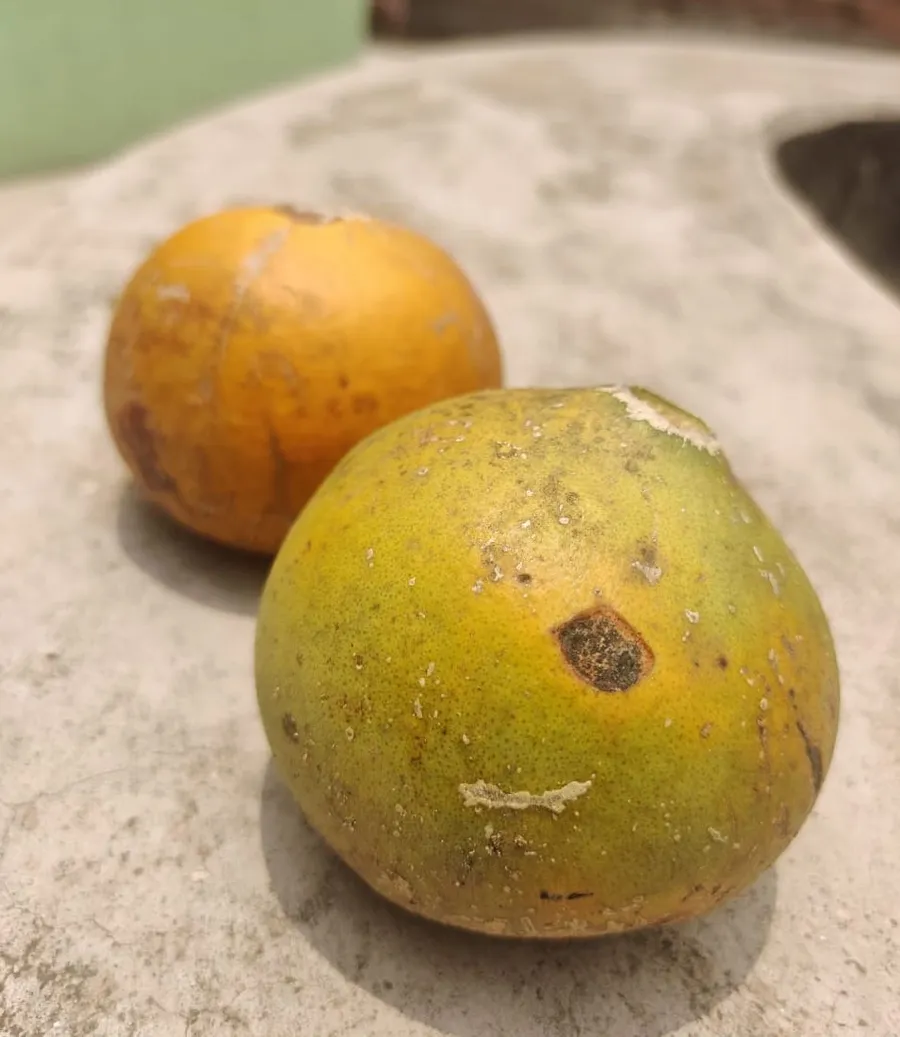
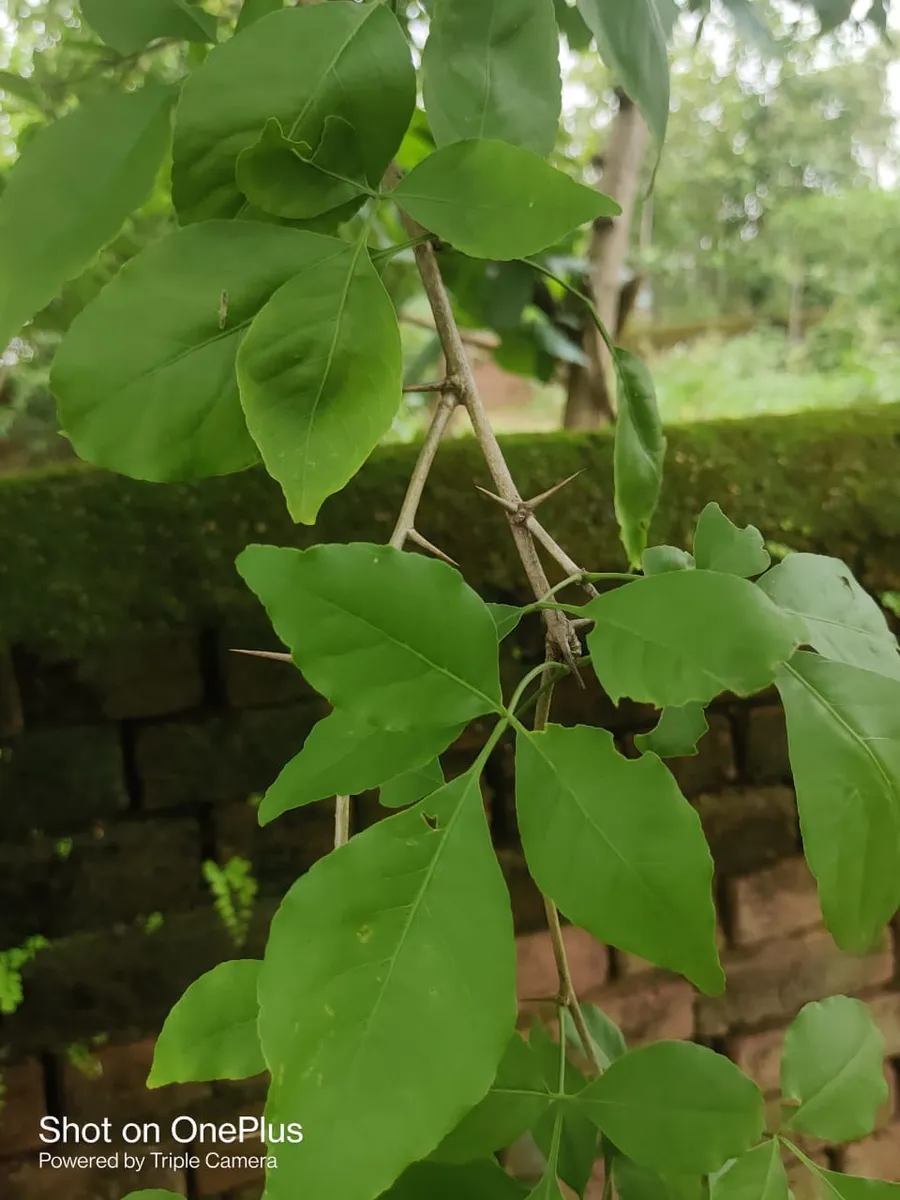
Devanagari Script
लोडा
Phonetic
[loɖa]
English: Translation
Aegle marmelos (L.) Corrêa
Hindi: Translation
बेल
Semantic Domain
Plants, trees and other vegetation
Health, well-being and sickness
Notes
The tree possesses various medicinal values. The fruit is typically eaten fresh, dried or in juice form. Medicinal values for: diarrhoea, digestion problems, bowel complaints, vomiting, nausea, gastritis, wounds, dysentery, sunstroke.
- Fruit: The fruit (dʒo) is used to make sherbet which is a traditional recipe especially in the summers (sitoŋ) as it serves as an instant body cooler and an energizer on sunny days. The juice (ros or rasa) prepared from the pulp (guda) of the fruits (dʒo) is also useful to a person suffering from diarrhoea.
- Unripe (urwa puʈuwa) fruits (dʒo) are also considered beneficial for digestion problems and bowel complaints.
- Root: A paste prepared from the roots (rehet) of the plants prevents vomiting (ula) and nausea.
- Leaf: A powder (lubuʔ) made from the leaves (sakam) is effective in preventing gastritis. Leaf (sakam) juice (ros or rasa) is applied externally on a wound (gʰao) to an area affected with pus (pipʰ). Fresh leaf (baleʧ sakam) extract is given with honey (horomsi ros) to cure dysentery. Fresh leaf (baleʧ sakam) juice (ros or rasa) is taken orally to cure sunstroke.
Santali: siñʤo
ID
2