kʰair daru
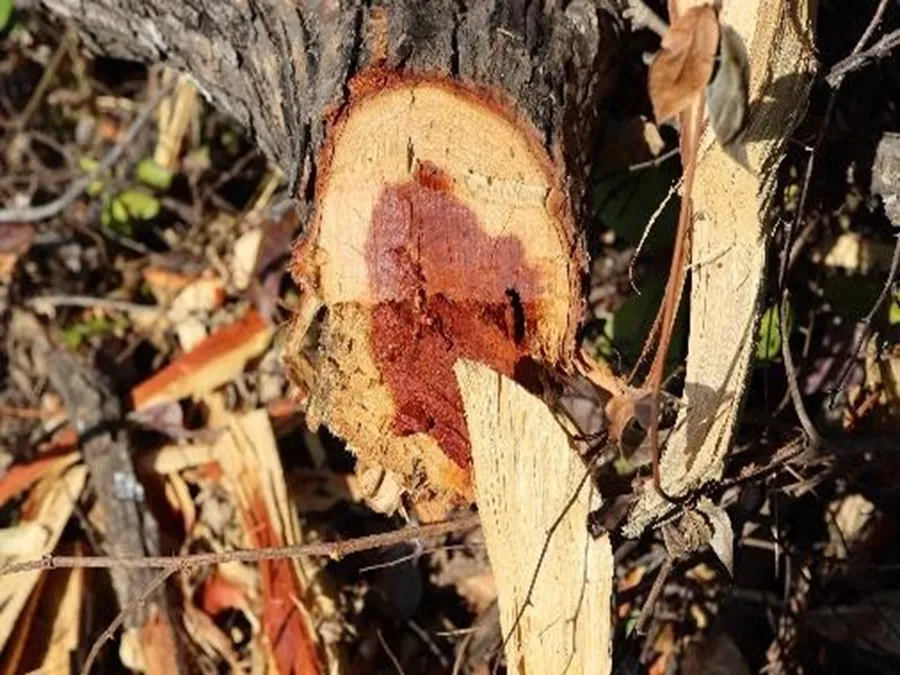
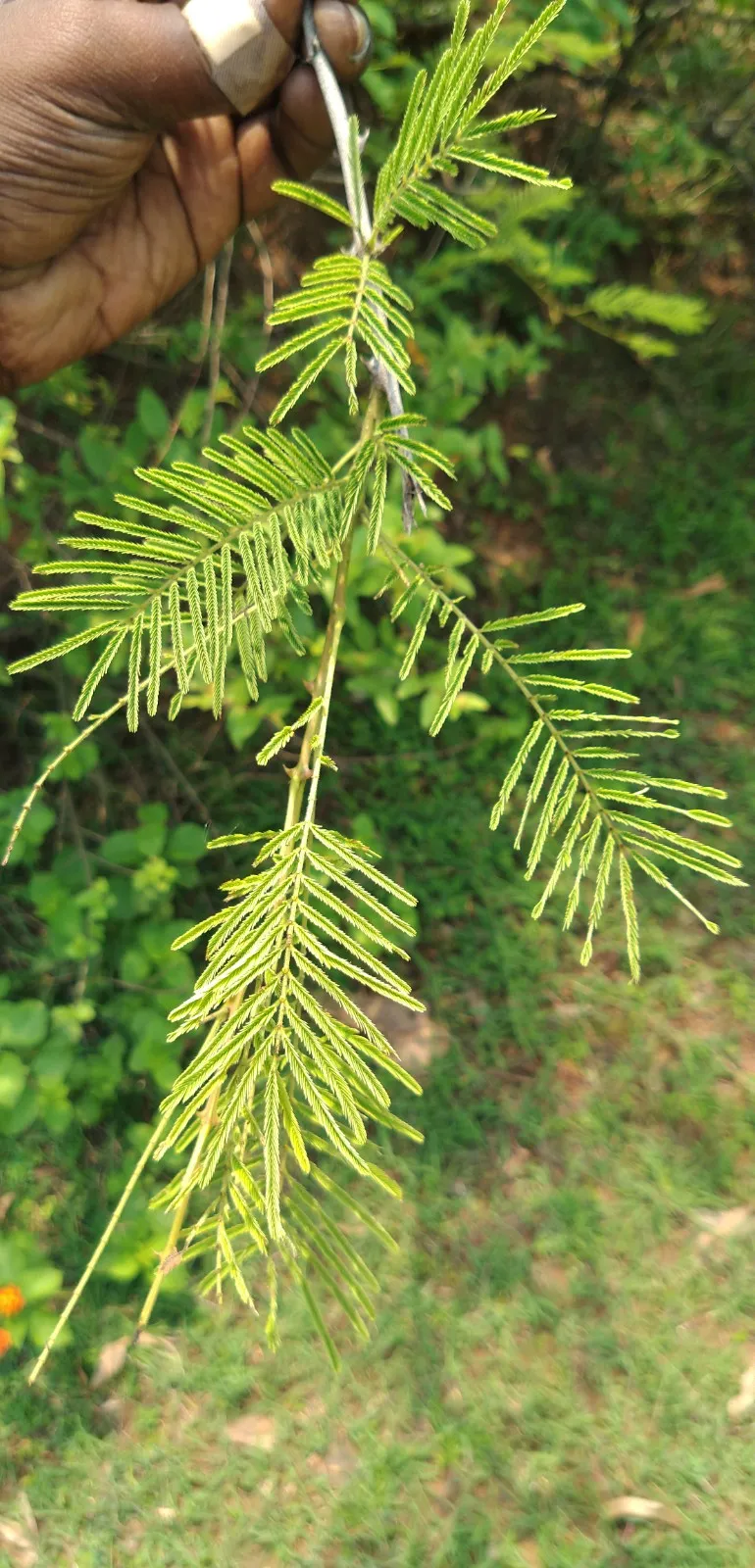
The parts of the kʰair tree have multiple uses.
Economical use: Amongst the various uses, the tree is very popular for one of the most important products obtained from it: kattha, an ingredient used in the preparation of paan (a preparation combining betel leaf with areca nut, chewed for its stimulant effects). Because the demand for paan in the local market (badʒar) is high, through the harvest of this plant the Birhor community manages to collect a good sum of income to support their finances.
Extraction of kattha: They cut (gedai) the branch (ɖaer) of trees (daru) and make splinters out of it. These splinters are then boiled (hõɽeʧ) till the water (daʔ) turns into a thick solution. The solution is then sieved (ʧʰakao) into a container and left to cool down.
Medicinal values for: digestion problems, sore throat, cough, diarrhoea, stomachache, joint pains. Besides the usage as an ingredient for paan, kʰair is regarded as an astringent, cooling and digestive and is useful against sore throat, cough (kʰuʔ) and diarrhoea.
- Bark: An aqueous extract of fresh stem bark (baleʧ ɖãʈiʧ baklaʔ) mixed with a teaspoonful of lime water (lẽmbodaʔ) is given early in the morning on an empty stomach (eken-te laiʧ) to cure stomachache.
- Root: A paste prepared from the roots (rehet) is applied to the joints for relief from pain. It is useful in treating gout (gathiya).
- Wood: The wood (sahan) furnishes charcoal (sahan kojla) of good quality. However, it is limited to domestic use only.
- Leaf: The leaves (sakam) are also considered as good fodder (gʰas) for goats (merom) and cattle (ɖaŋra ɖaŋri).
Santali: khayar